Safari Ethics: How I Want Us to Photograph Wildlife
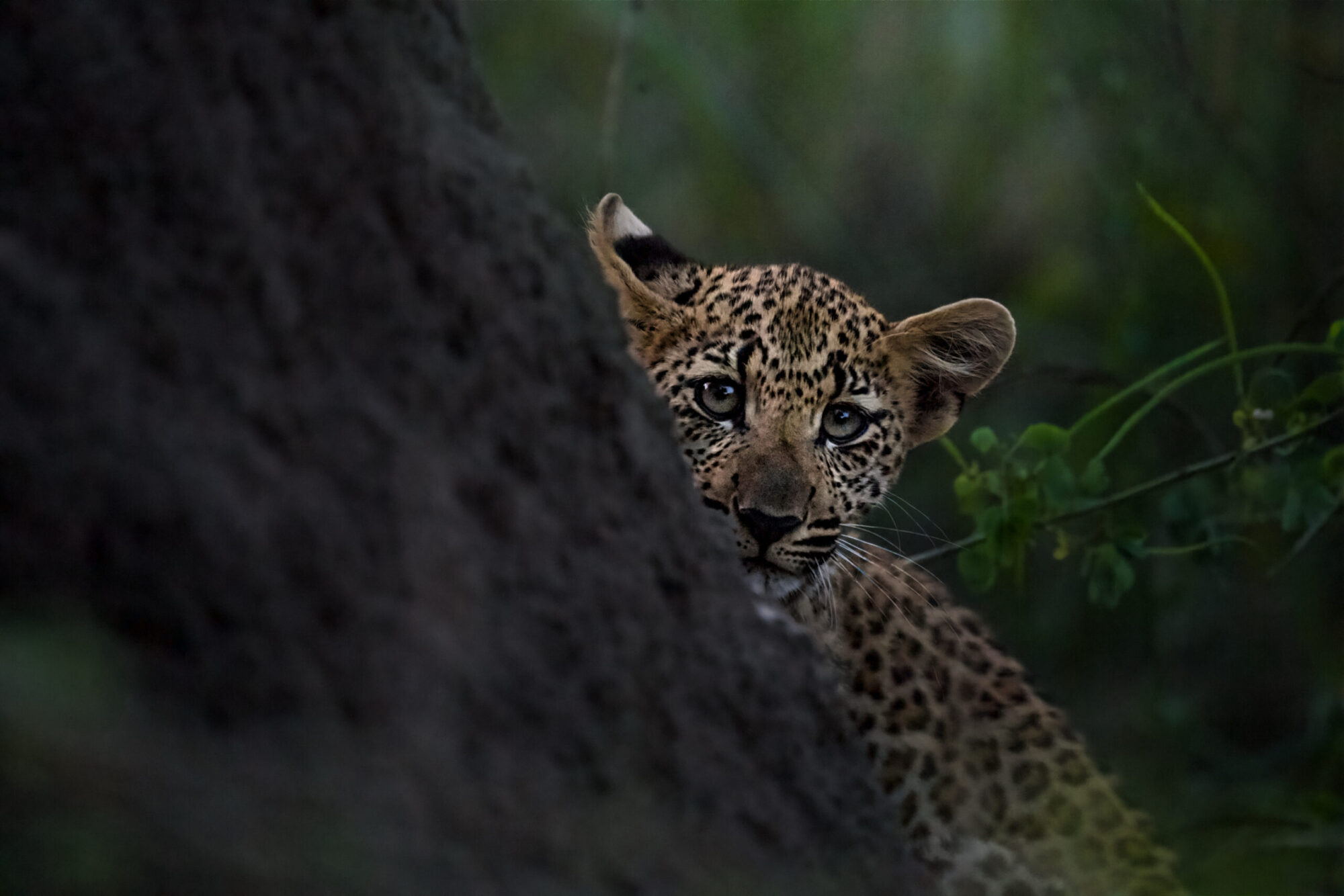
I would rather miss a leopard than join fifty vehicles crowded around it.
I know how much we all want that sighting. I am a wildlife photographer. I want the clear view, the beautiful light, the moment when a leopard looks straight towards the camera. But there are limits to what I am willing to do for a photograph.
An animal should not have to change its behaviour because I want a better angle. A guide should not feel pressured to break a rule because a guest has paid for a photography safari. And the people who live alongside wildlife should have a say in how tourism affects their home.
These beliefs influence the partner companies I choose and the expectations I bring to my women-only photography safaris.
What Responsible Game Drives Mean to Me
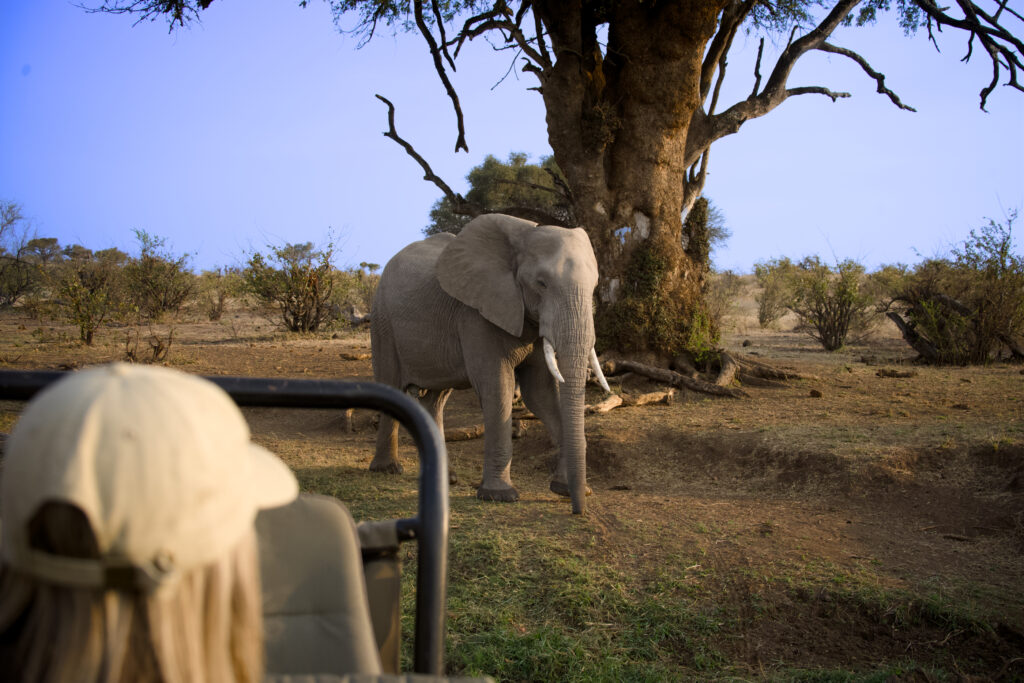
For me, a responsible game drive begins with accepting that we are visitors. We do not decide when a lion gets up, where an elephant walks, or how long a leopard stays in view.
We watch what is happening and work with it.
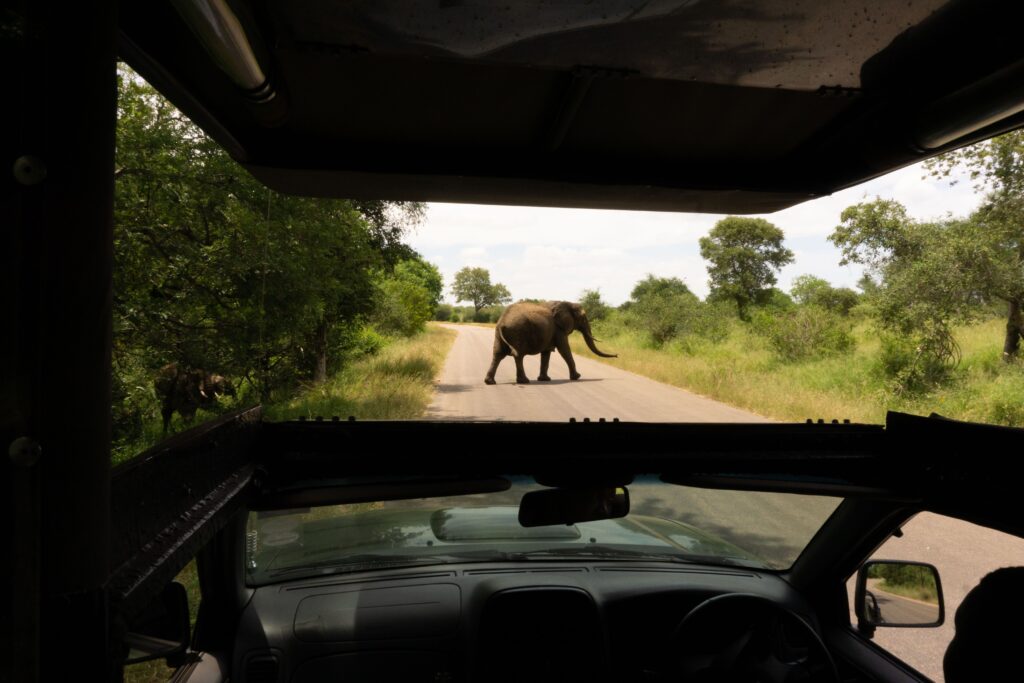
That means giving animals room to move, keeping noise down, and accepting the guide’s decision when we need to keep our distance or leave. It means not positioning a vehicle in an animal’s path simply because that would give us a head-on photograph.
The rules depend on the park, reserve, or conservancy we are visiting. We follow the rules that apply there. Where off-road driving is prohibited, a better camera angle is no excuse to leave the track. Tanzania National Parks, for example, requires visitors in parks such as Mikumi and Ruaha to remain on designated tracks, avoid disturbing or feeding wildlife, and leave vehicles only where permitted.[1][2]
Permission to do something is also not a reason to do it without thought. Where off-road driving is allowed, I still expect the guide to consider the ground, the vegetation, and the animal before approaching.
A Long Lens Does Not Give Us Special Rights
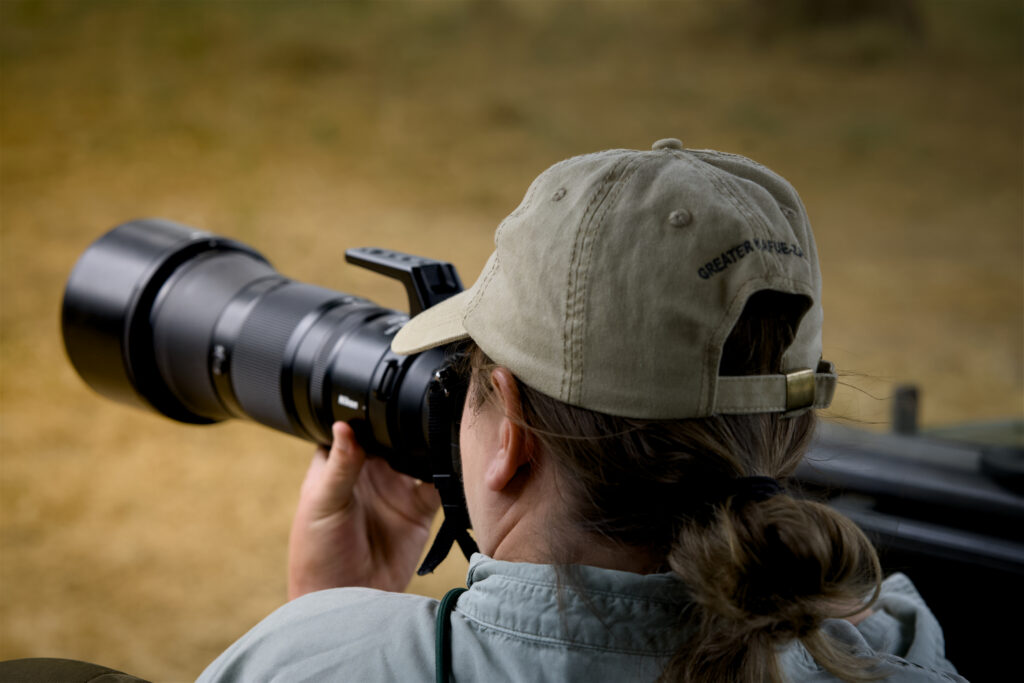
Photographers with long lenses are not entitled to break the rules.
Neither the price of our equipment nor the size of our audience gives us priority over an animal’s space. Calling ourselves professionals does not change that.
I do not accept asking a driver to go somewhere prohibited because “we only need a minute.” The same applies to making noises to get an animal to look up, pushing closer after it moves away, or asking a guide to disturb a resting animal.
If a branch covers part of a leopard’s face, we may have to wait. If the animal walks away, the photograph may be gone. Sometimes we come back with a photograph that includes more of the surroundings than we had planned. Sometimes we come back without the image we wanted.
That is part of wildlife photography. Our job is to work with the situation, not force the animal to give us a different one.
Why I Will Leave a Crowded Sighting
I do not want our vehicle to become one more car closing the gap around an animal.
When a sighting is already crowded, I would rather move on. That can be disappointing, particularly when we have spent hours looking for a leopard. I understand that disappointment. I will probably feel it too.
But I want this decision to be clear before anyone books. Seeing a particular animal does not take priority over how we behave around it.
I would rather spend time watching an elephant feeding quietly than sit in a traffic jam waiting for a glimpse between vehicles. There is plenty to photograph without adding pressure to an already crowded sighting.
Guides Need Our Support When They Say No
A guide may be asked to move closer by one guest while another asks for a different angle. Someone wants to stay longer. Someone else wants to reach the next sighting before the light disappears.
I do not want to add to that pressure.
I lead the photography side of my safaris. A local professional safari guide is responsible for guiding us in the field. I can help you with exposure, composition, and making use of the light. Decisions about approaching wildlife and positioning the vehicle must respect the guide’s judgement and the rules of the area.
When the guide says we cannot move closer, I will support that decision. I will help you find a photograph from where we are.
I also expect the partner company to support its guides. A guide should be able to refuse an inappropriate request without worrying that a guest complaint will count against them.
Why I Choose My Safari Partners Carefully
I work with partner companies that operate the safaris, while I join as your photography guide. Their approach matters because they are responsible for much of what happens on the ground.
I am interested in how a company responds when a guest asks for something it should refuse. Does management back the guide? Are wildlife-viewing rules explained before a problem arises? Is leaving a crowded sighting treated as a sensible decision, or as a failure to deliver?
Those questions tell me more than the word “sustainable” on a website.
I look for partners who understand that a photography safari needs time with wildlife, but who do not confuse patience with a right to stay indefinitely or approach without limits.
I also want clear information about local employment and the community or conservation work a company says it supports. If a company makes those claims, I want to know what happens in practice and who benefits.
I will not claim that any operator is perfect. What matters to me is a willingness to answer questions honestly, take concerns seriously, and make changes when something is wrong.
Watching Is Enough
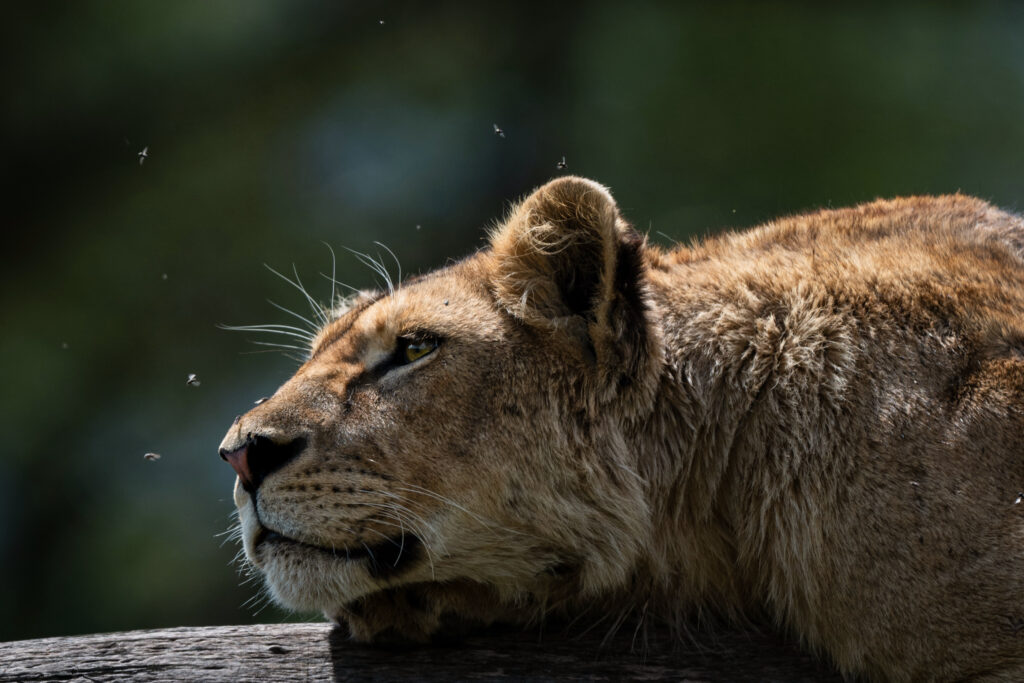
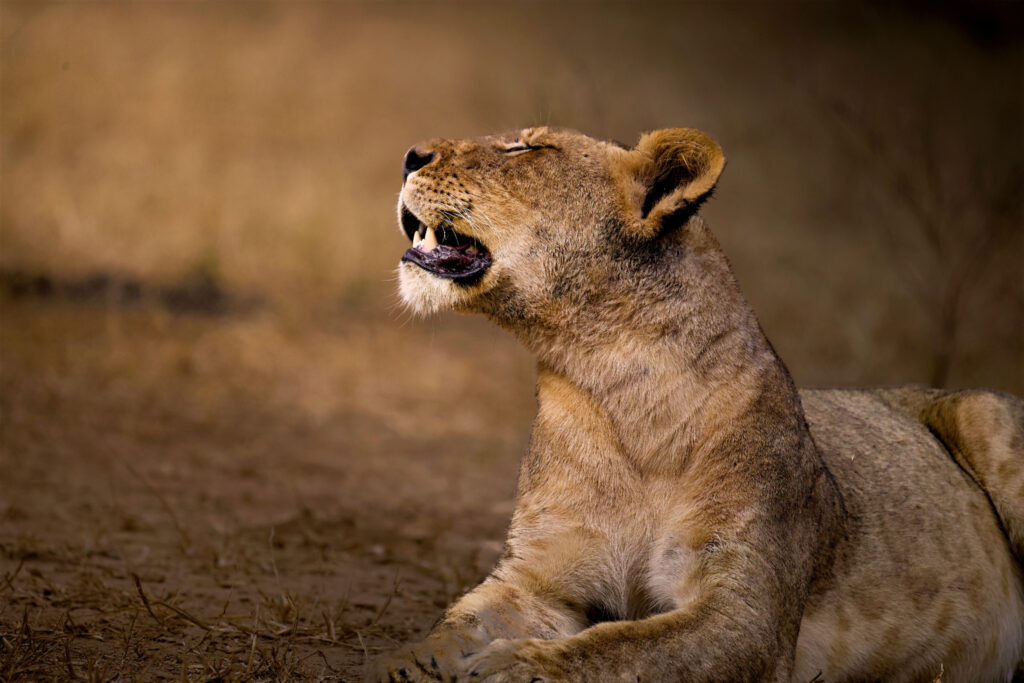
A sleeping lion is still worth watching. We do not need to wake it.
There is time to study the light on its face, notice how it lies beside the other lions, or put the camera down and ask the guide about its behaviour. A quiet sighting does not need to be turned into entertainment.
My position on tourist contact with wildlife is equally clear. I do not want to include activities built around handling wild animals or feeding them for a photograph.
I want to photograph animals behaving without our encouragement. I do not need to touch an animal to care about it.
Local People Must Have a Say
I do not believe in an approach to conservation that treats local people as an inconvenience.
People who live alongside wildlife have homes and livelihoods to consider. Their involvement cannot stop at appearing in a brochure or welcoming visitors for an hour.
When I look at partnerships and community visits, I want to understand who makes the decisions and where the money goes. Who has agreed to receive visitors? Who sets the terms? Does the income reach the people hosting us?
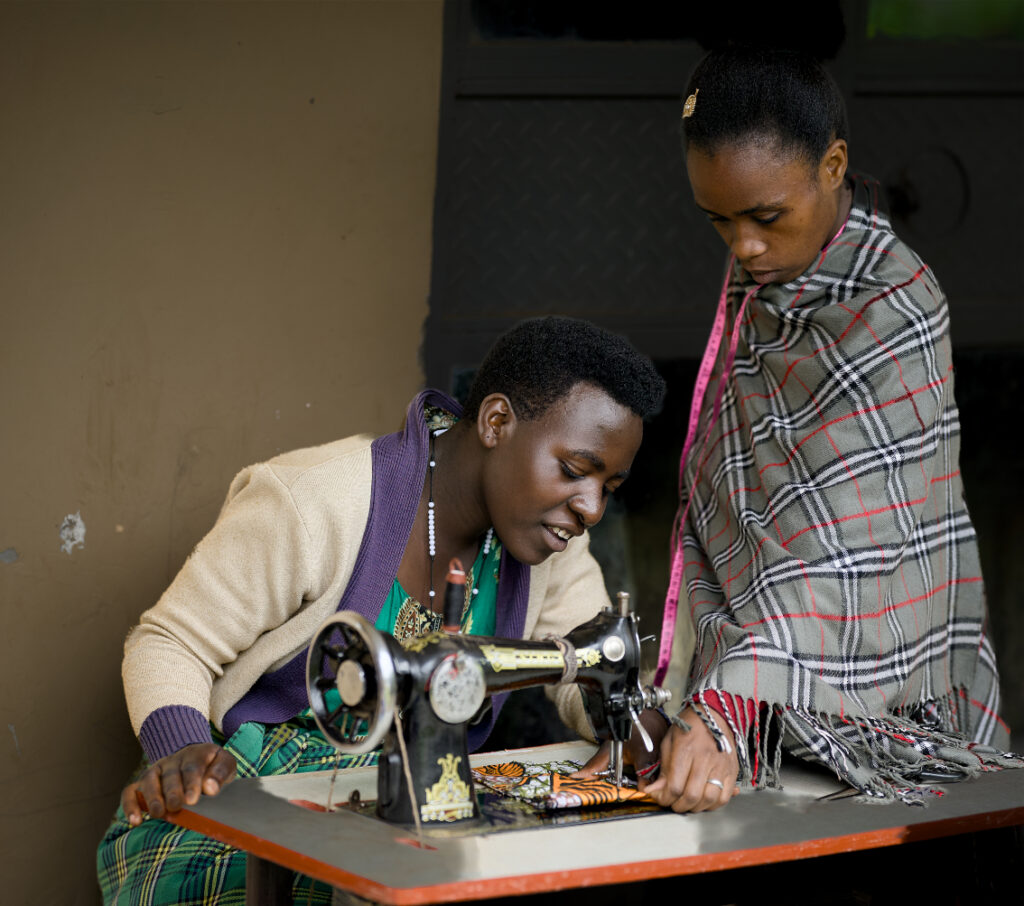
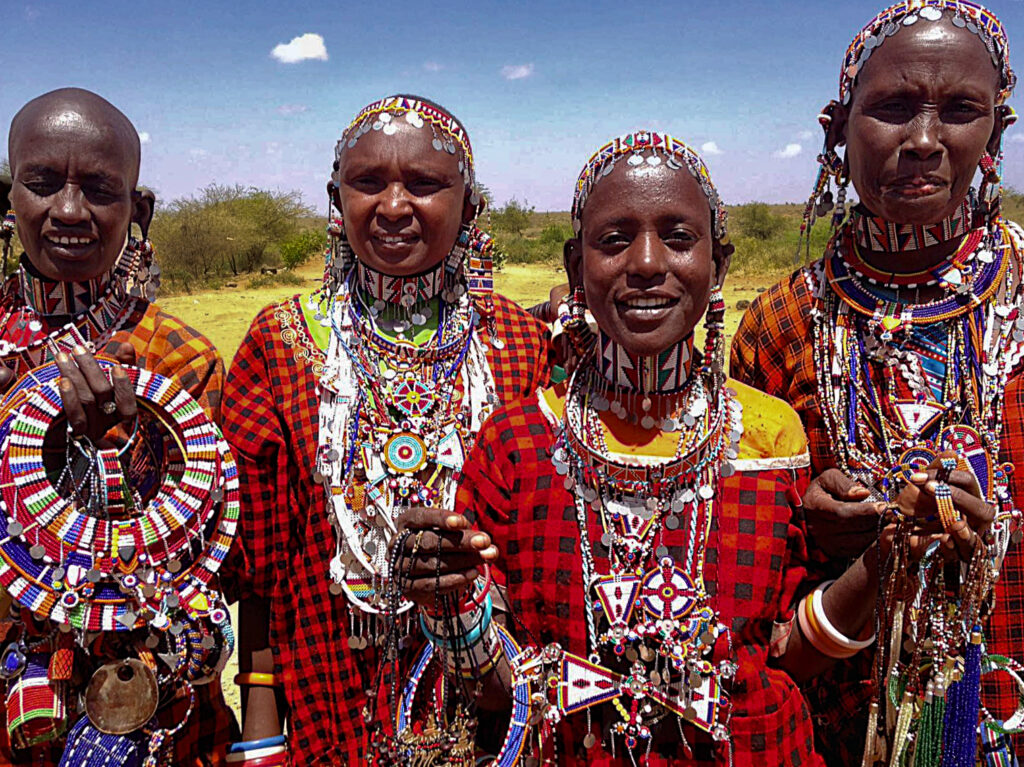
The same respect applies when we take photographs. Being welcomed into a village does not mean every person has agreed to be photographed. I expect us to ask permission and accept a refusal without trying to persuade someone.
People do not owe us a portrait because we have paid for a visit.
I Want to Know Where the Money Goes
Safari companies need to earn money. So do the guides, camp staff, and other people whose work makes a trip possible.
My concern is with vague claims about “giving back.” If a booking is said to support a project, I want to know which project and how that support works. A donation, a local purchase, and a community-owned business are different things. I do not want to present them as though they mean the same.
I would rather give you a specific, modest explanation than make a promise I cannot verify.
What This Means on My Women-Only Photography Safaris
You do not need to arrive with years of photography experience. You do need to be willing to respect the guide’s decisions and accept that wildlife will not always cooperate with our plans.
I will help you make photographs from the position we can responsibly use. We can change our framing, adjust our settings, or wait for the light. We can also decide to put the cameras down.
I cannot promise you a leopard in a tree or a lion walking towards the vehicle at sunrise. I can be clear about my own decisions: I will not ask a guide to break the rules for a photograph, and I will not support a guest doing so.
If getting the shot means crossing that line, we leave without it.
More Insights and Nice to Knows
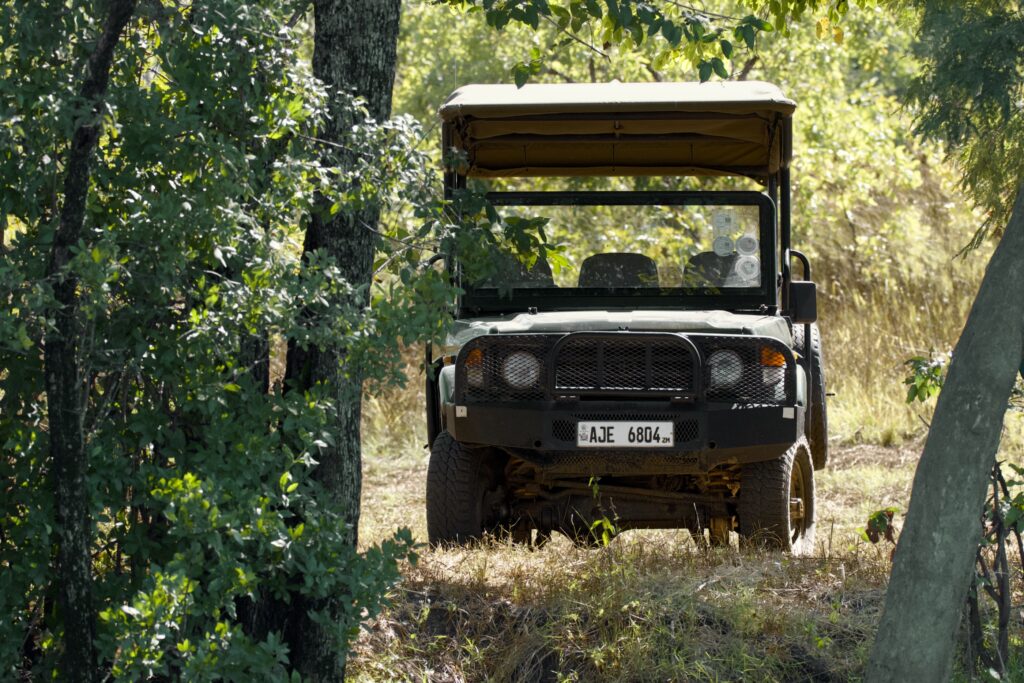
My Safari Ethics and why I would rather miss a leopard than join fifty vehicles crowded around it…
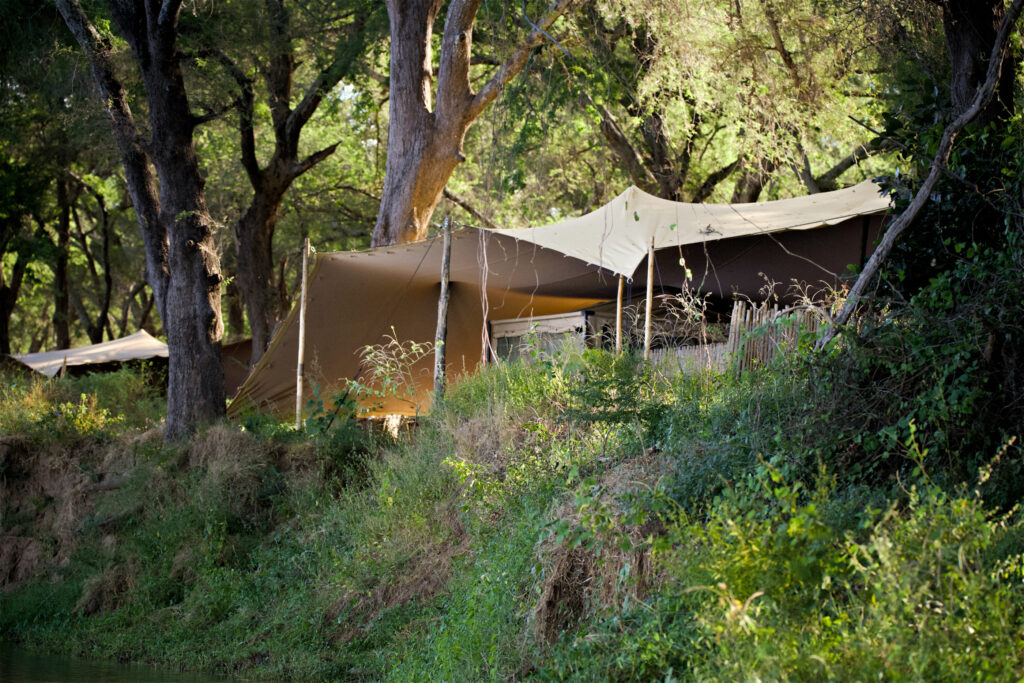
Bush Luxury and do you really need a freestanding bathtub in your bush camp to feel comfortable…