Choosing Where to Photograph
Africa is not one safari. Botswana, Zimbabwe, Zambia, South Africa, Tanzania and Kenya each have their own light, seasons, wildlife, crowds and costs. On my women only photography safaris in Africa I choose destinations for the quality of the sighting, not for a famous name.
I would rather sit quietly with one leopard in good light than join fifty vehicles at a river crossing. That is why I do not build my tours around the Great Migration in Tanzania or Kenya during peak season. The crossings can be extraordinary, but they can also become a traffic jam. In 2025, reports described dozens of vehicles at the Mara River, sometimes blocking the wildebeest and forcing them to wait before crossing.
My approach to ethical game driving
An ethical game drive is not only about seeing animals. It is about how close you get, how long you stay, how many vehicles are present, and whether the animal can still behave naturally.
I work with local operators and guides who understand animal behaviour. We keep a respectful distance, follow park rules, do not pressure a sighting for a better angle, and leave space for the animal to move. If another vehicle arrives and the situation becomes crowded, I am happy to leave. A photograph is never more important than the welfare of the animal.
This is also why I prefer destinations and camps with lower visitor numbers. In Botswana, many private concessions limit the number of vehicles, beds and guests, which keeps sightings quieter but makes the nightly rate higher. In Zambia, South Luangwa receives far fewer visitors than the Serengeti, and walking safaris and night drives are part of its safari culture.
Botswana
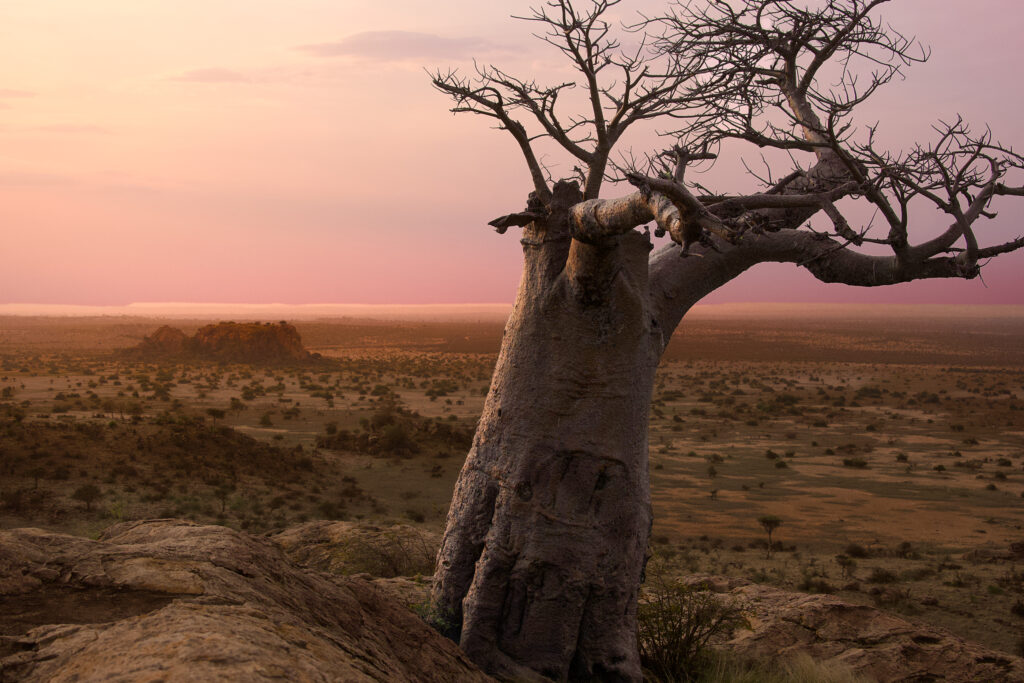
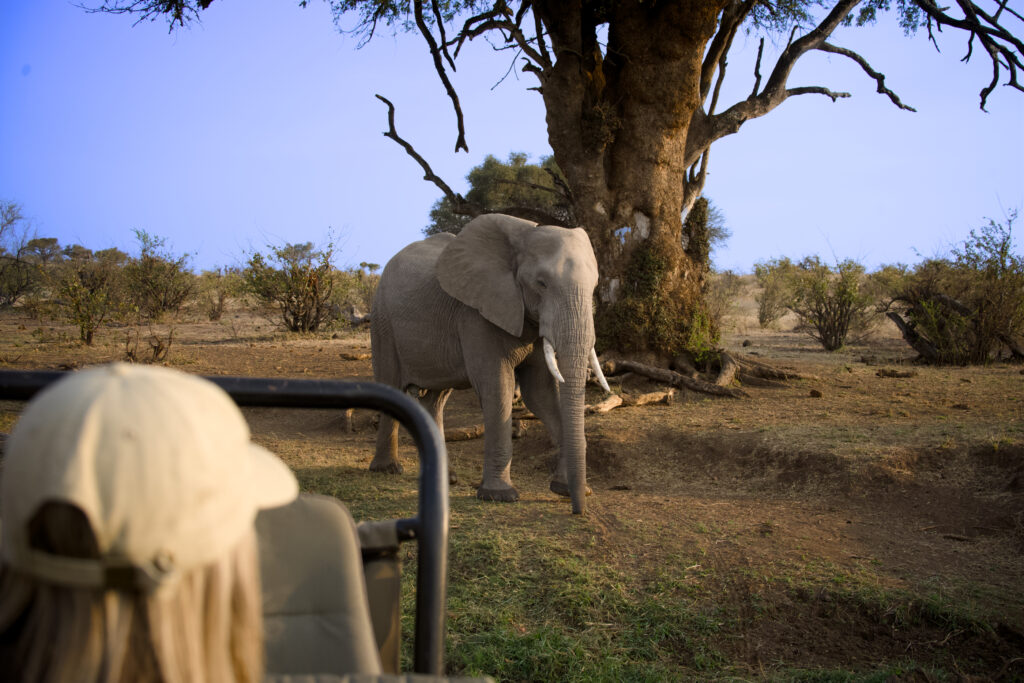
Botswana is one of my first choices for low-impact safari travel. The Okavango Delta, Chobe and the Linyanti offer beautiful water, elephants, lions, leopards, wild dogs and some of the best light I have photographed in Africa.
The dry season runs from about May to October. Animals gather around permanent water, the bush opens up, and game viewing is strong. It is also the most expensive time. Botswana follows a high-value, low-volume model, with capped concessions and higher minimum prices, so you pay more for fewer vehicles and a quieter experience.
The green season, from November to March, brings rain, newborn animals, dramatic skies and lower rates in many areas. Photography can be more challenging because the vegetation is thicker, but the colors and storm light can be worth it.
Zimbabwe
Zimbabwe gives you big landscapes, strong guiding and excellent value compared with Botswana. Hwange has huge elephant numbers, while Mana Pools is special for its open floodplain, walking safaris and the chance to photograph elephants and predators on foot with highly trained guides. Zimbabwe’s walking guides go through demanding training, and guided walks are led by professionals who read animal behavior closely.
The best game-viewing months are usually May to October, when water becomes scarce and wildlife concentrates around waterholes and rivers. Prices are generally lower than in Botswana, especially outside the busiest July to September period. For photography, I like August and September: the air is dry, the light is warm, and elephants often come to the waterholes in good numbers.
Zambia
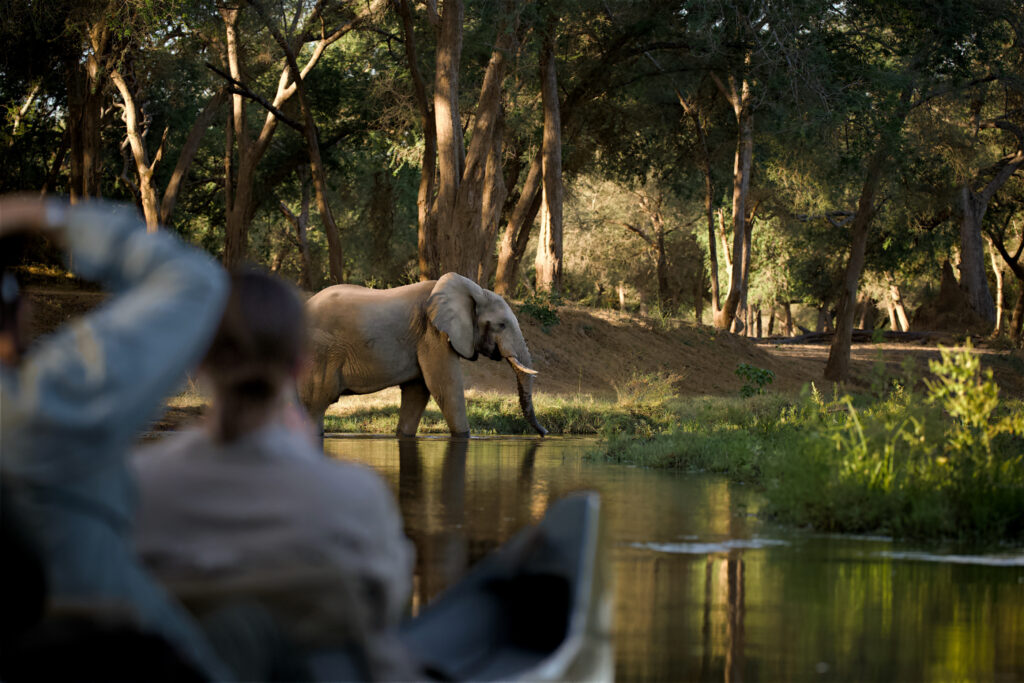
Zambia feels wilder and less polished than many better-known safari countries. South Luangwa is famous for walking safaris, night drives, leopards and the Luangwa River. As the park dries from May to October, animals move toward the river and remaining waterholes, making sightings more reliable.
July and August are comfortable for walking safaris. October can produce incredible concentrations of animals, but it is hot. The green season, from November to April, brings fewer guests and lower camp rates, though some remote bush camps close because of rain and road conditions.
For me, Zambia is a destination for photographers who want space, patient guiding and a slower rhythm. You may work harder for a sighting, but when it happens, it often feels private.
South Africa
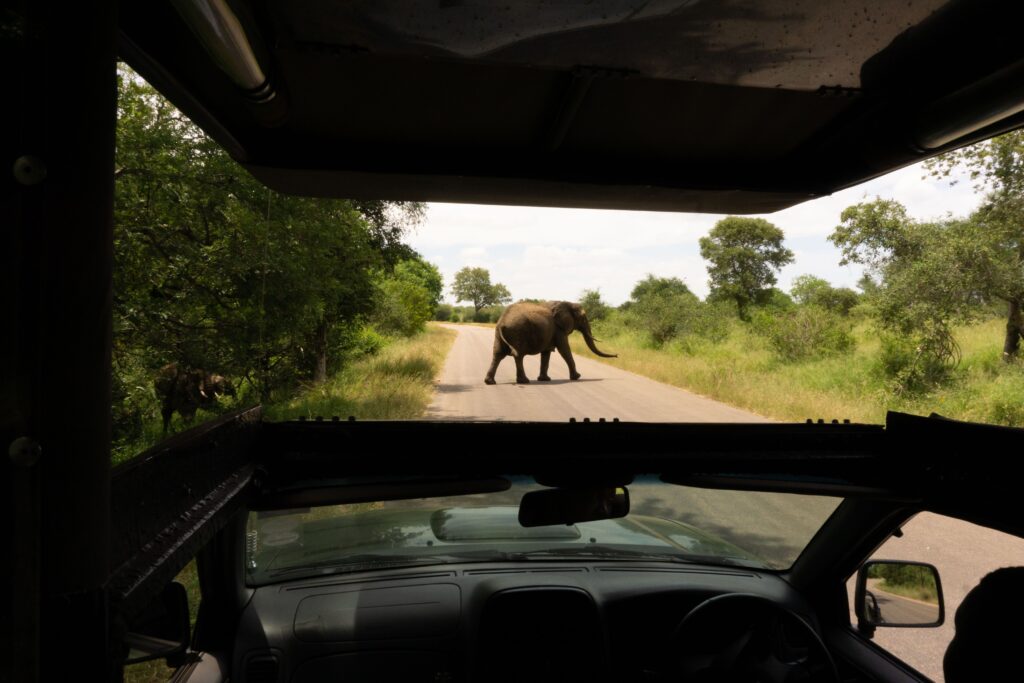
South Africa is the easiest country to combine with photography. It has excellent roads, good medical infrastructure, a wide choice of accommodation and strong wildlife areas such as Kruger, the Sabi Sand area and private reserves.
The dry winter months, from May to September, are usually best for game viewing. The bush is thinner, animals visit water sources regularly, and temperatures are cooler. South Africa can be more affordable than Botswana or Zambia, although private reserves with strong leopard viewing can still be expensive.
It is also the destination where crowds can appear quickly, especially around popular sightings in Kruger. A good private reserve, a limited number of vehicles and an experienced guide make a real difference.
Tanzania
Tanzania has the Serengeti, Ngorongoro, Tarangire and some of the most famous wildlife photography in Africa. The country is vast, and outside the migration hotspots it can still offer space and remarkable sightings.
The main dry season runs from June to October. This is peak safari season, with higher prices and more visitors. The Great Migration river crossings usually happen from July to October, with August and September often the busiest period in the northern Serengeti and Maasai Mara.
I do not plan my group tours around the Mara River crossings. Too many vehicles can gather at the same crossing, and the pressure on the animals, the riverbanks and the photographers is real. Instead, I prefer Tanzania in mid-November, when the short rains begin. The skies change, the plains turn green, migrant birds arrive, and many camps offer lower rates. It is a more thoughtful time to photograph the Serengeti.
Kenya
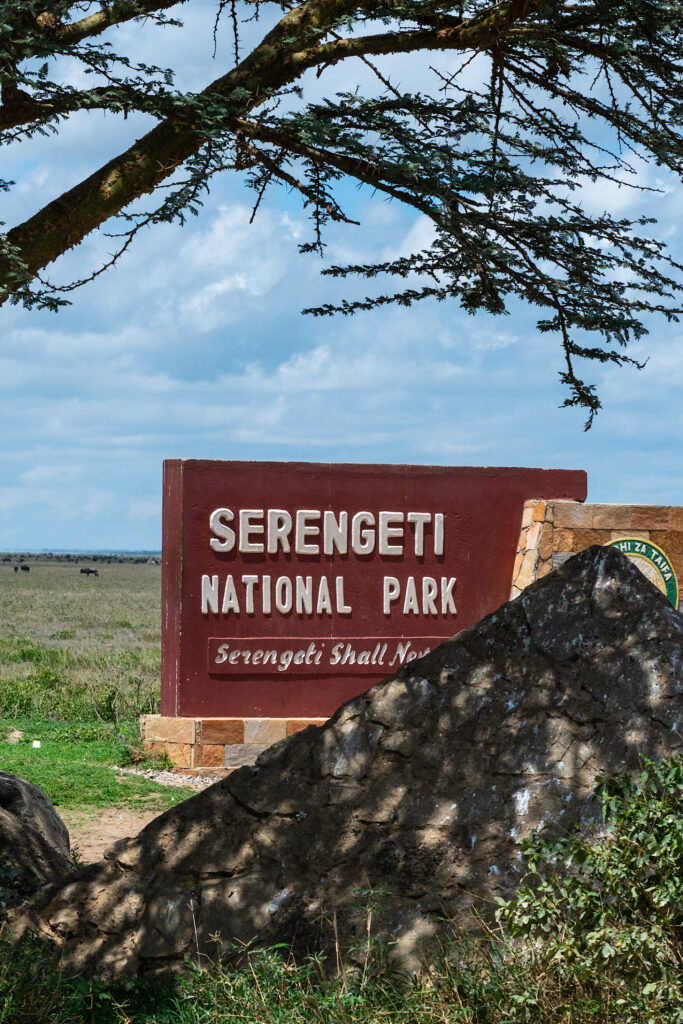
Kenya is home to the Maasai Mara, Amboseli, Samburu and some of Africa’s most iconic wildlife photography. Amboseli can be superb for elephants in front of Kilimanjaro, while Samburu has species you will not easily find elsewhere.
The dry season from June to October is the classic safari time. It is also when the Great Migration reaches the Mara, usually between July and late October. During August and September, popular crossings in the main reserve can attract 30 to 60 vehicles. Private conservancies can limit vehicles at a sighting, but they cost more.[worldofwanderlust]
Kenya can be wonderful, but I am selective about where and when I take a group. I avoid the migration peak and look for conservancies, quieter regions and guides who put the animals first.
Quick Overview
| Destination | Best Photography months | Peak Season | Crowding |
| Botswana | May to October, especially August to October | June to October | Low in private concessions, but prices are high |
| Zimbabwe | May to October | July to September | Moderate; Mana Pools and Hwange can still feel wild |
| Zambia | June to October | July to October | Low to moderate; South Luangwa receives far fewer visitors than the Serengeti |
| South Africa | May to September | June to August and school holidays | Can be high in popular public parks |
| Tanzania | June to October November for green season photography | July to October | High around migration routes and river crossings |
| Kenya | June to October November for green season photography | July to October | High around migration routes and river crossings |
Why I choose fewer lodges and higher prices
I support ecological tourism because wildlife needs space. A small camp with a limited number of rooms, local staff, careful vehicle numbers and a real conservation commitment costs more than a large lodge near a busy park gate. That higher price is not only about comfort. It helps keep visitor numbers low and gives wildlife room to live without constant pressure.
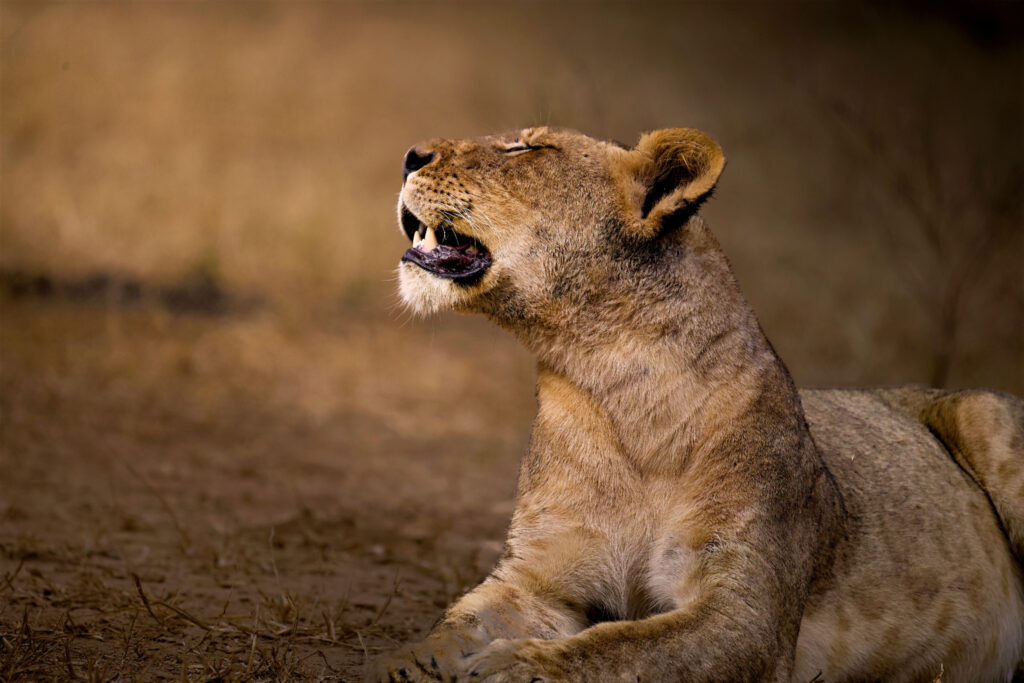
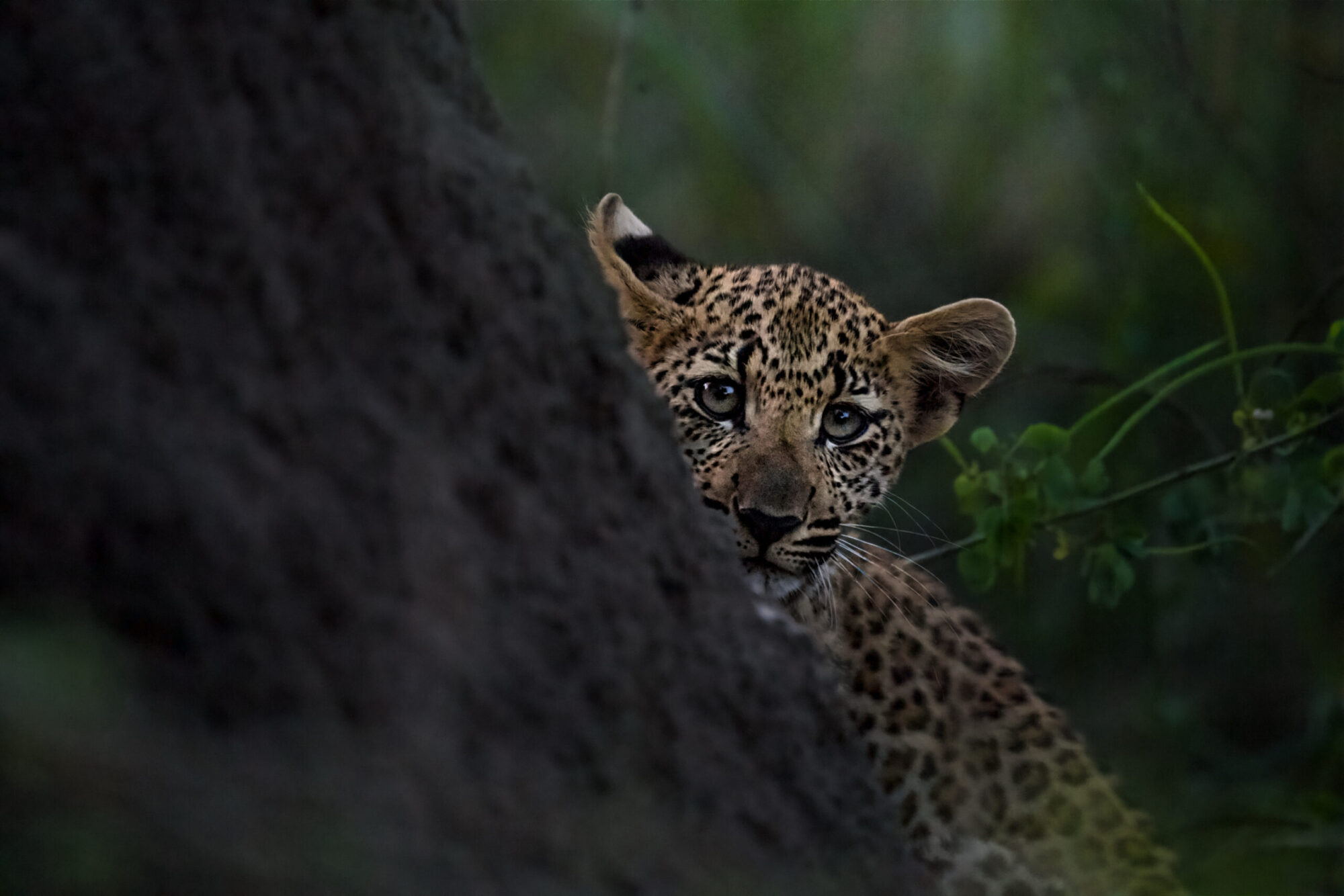
On my women-only photography safaris, I keep the group small so everyone has space with her camera, time to ask questions, and a better chance to photograph behaviour rather than a stressed animal. I am not interested in ticking off the Big Five as fast as possible. I am interested in elephants at a waterhole in early light, a leopard using a branch, wild dogs moving through mopane woodland, or a storm building over the plains.
That is the kind of safari I want to share.
Doesn’t the Kruger National Park Safari contradict this?
I chose August because it is dry winter in South Africa. The bush is thinner, animals gather around water, and the light is warm and low. It is one of the best months for wildlife photography.
South Africa is also a more affordable way to experience Africa. Kruger National Park has excellent wildlife, good roads, easy access and a wide choice of accommodation. That makes it possible to keep the trip accessible without giving up strong sightings.
I chose Kruger because it offers elephants, lions, leopards, rhinos, wild dogs and a huge variety of birds in one park. You can photograph for days and still see something new. I avoid the busiest areas and busy sightings, work with guides who keep a respectful distance, and put the animals first. A quieter corner of Kruger in August can feel far better than joining a crowd at a famous migration crossing.
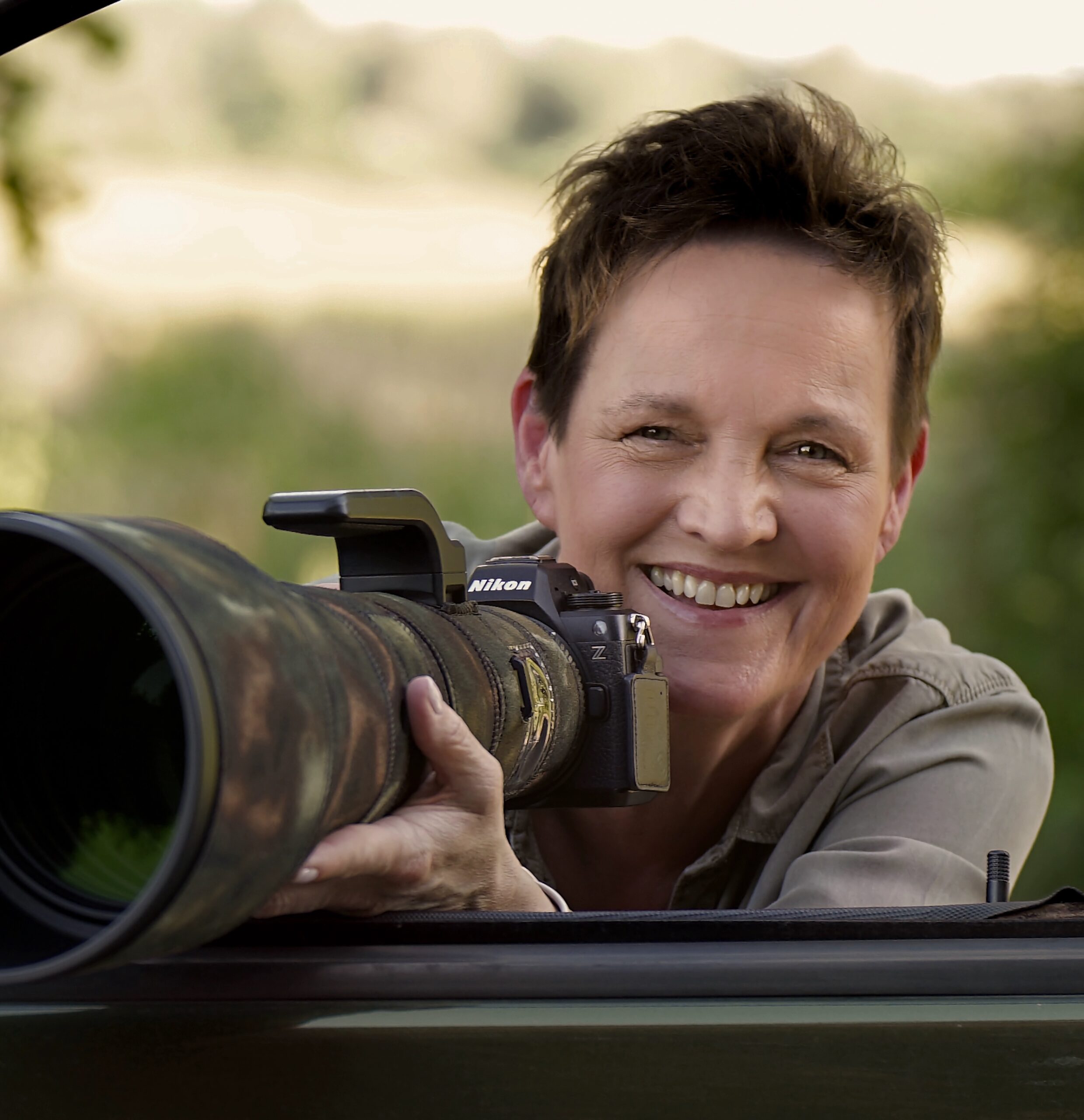
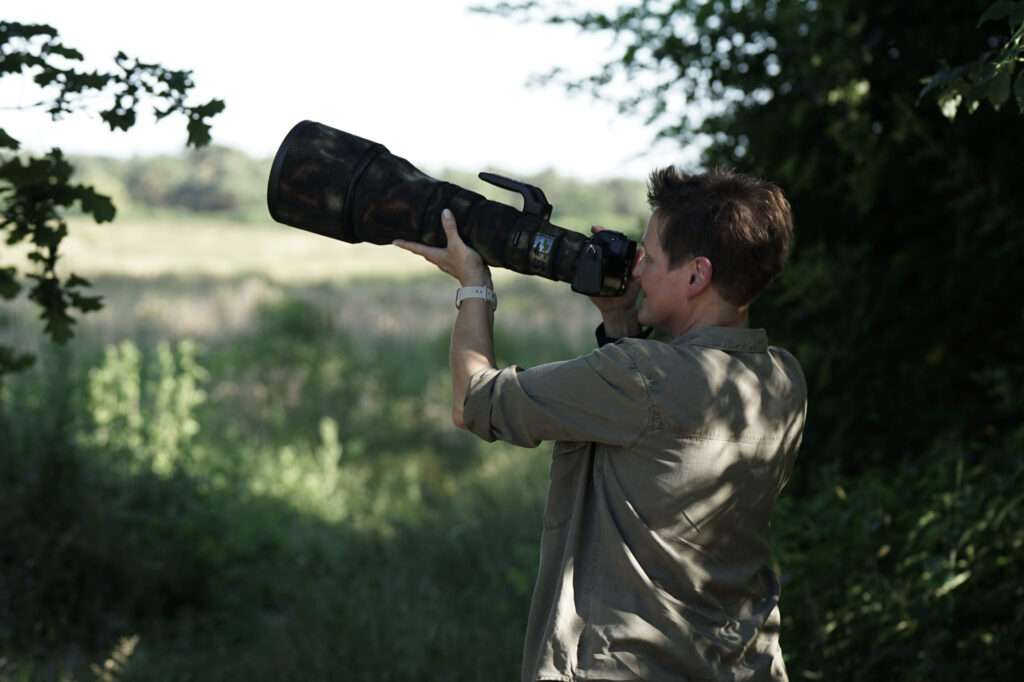
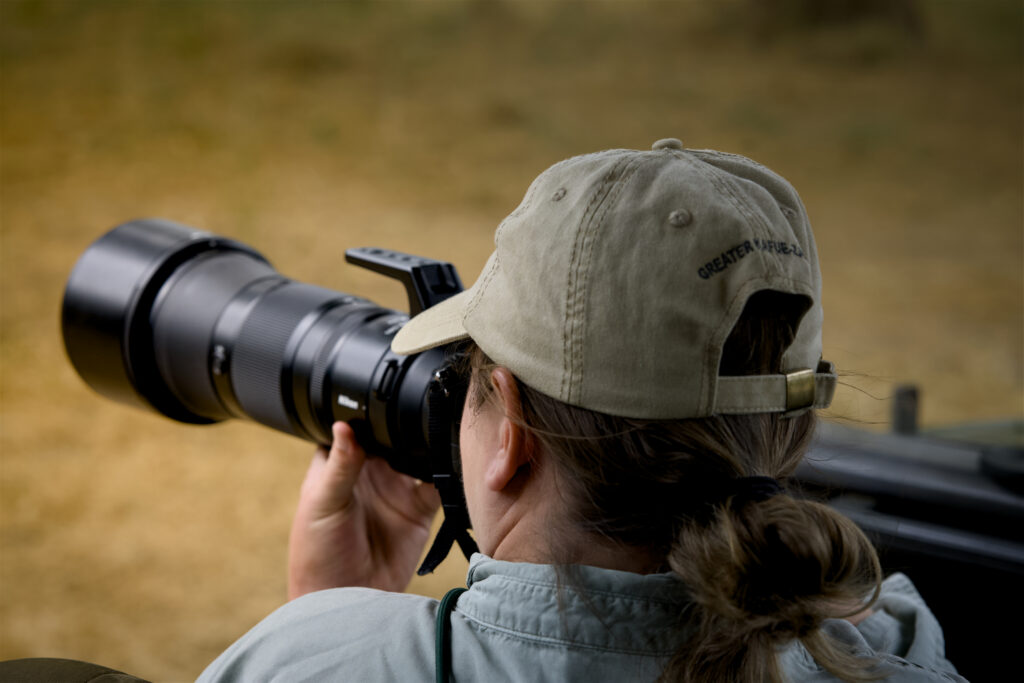
I personally accompany every photo safari, whether it’s a small group or a private safari. We go out looking for wildlife, follow the light, and stay ready for whatever turns up on the path ahead of us. The photos I want you to take home are the ones that show what the moment was actually like.
Heike Hutmacher