The disappointment photographers rarely talk about
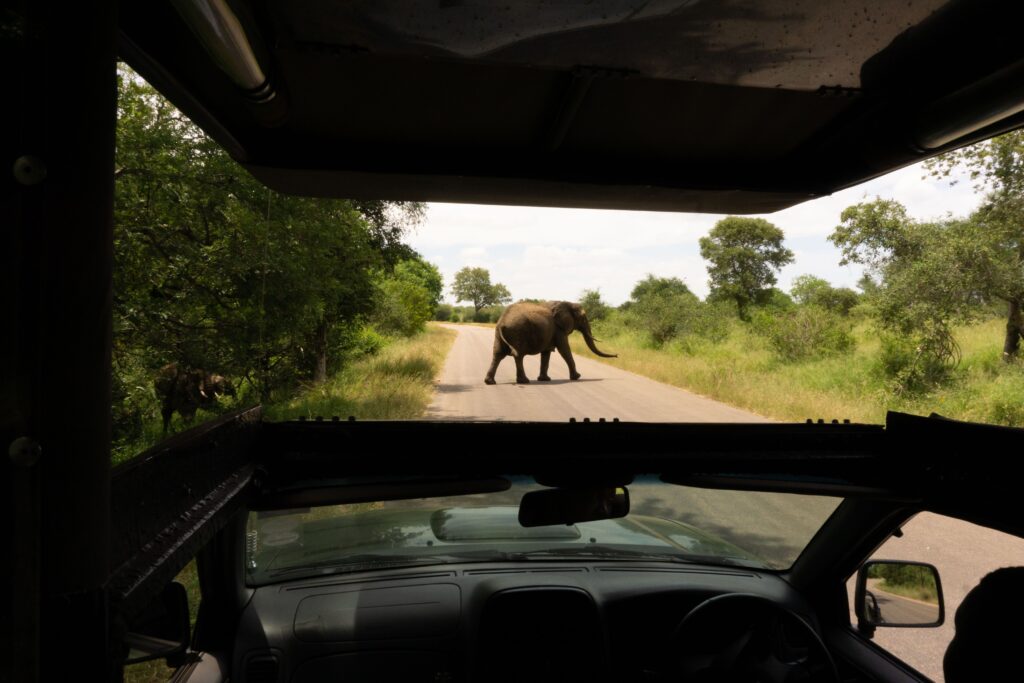
You come home from Africa with hundreds of images. You edit a few, post one or two, and then you see another photographer’s work from the same park. Their lion is closer. Their leopard is in better light. Their elephant has dust glowing behind it. Suddenly your own photographs feel ordinary.
I know that feeling. For years, it followed me home from every trip.
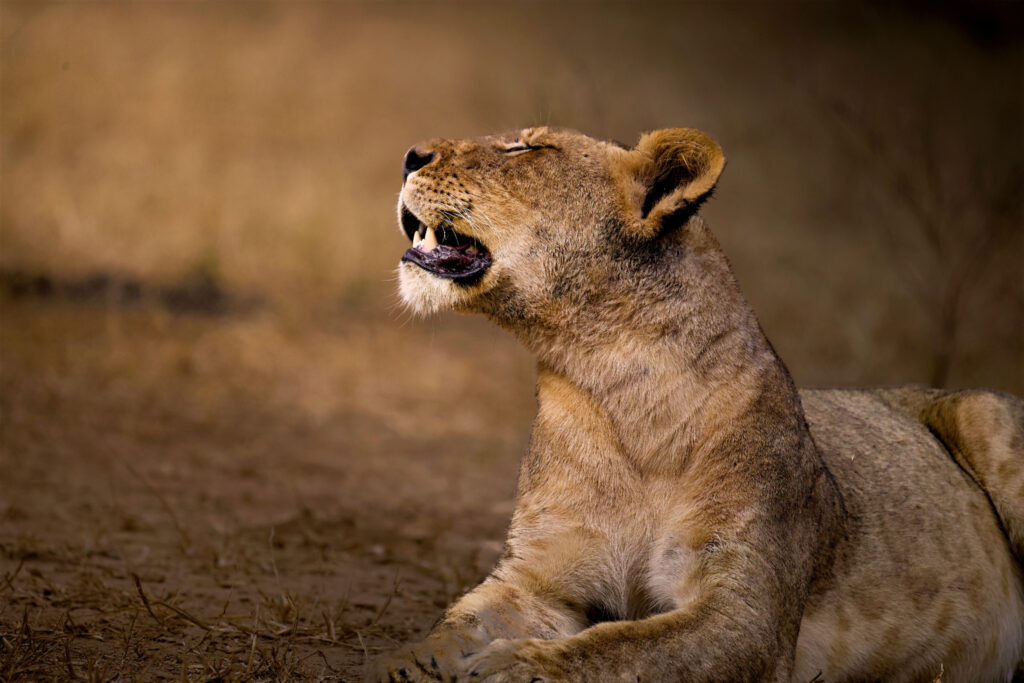
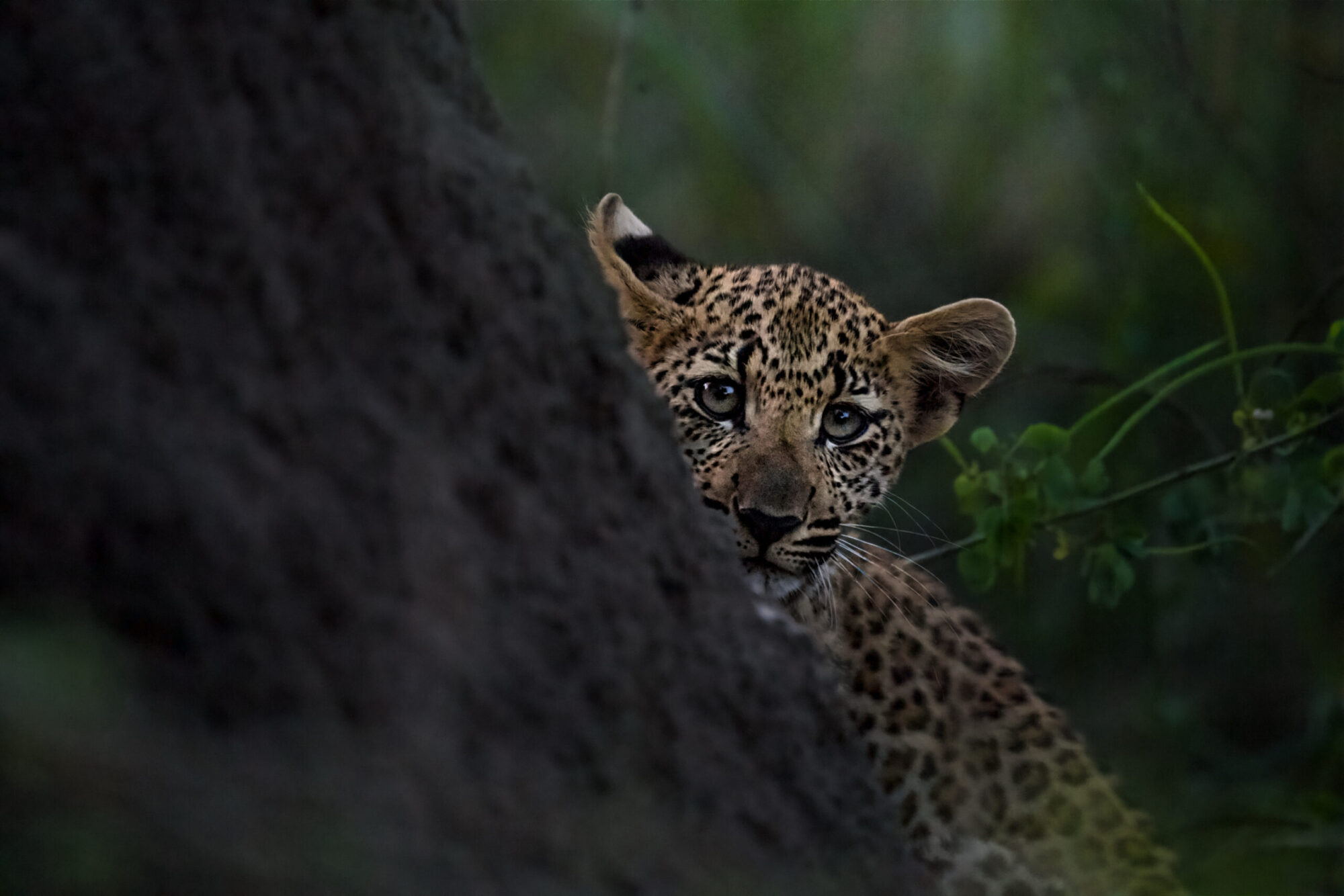
Wildlife photography is hard because so much is out of your hands. You cannot ask a leopard to step into the open. You cannot tell a lion to look up. You cannot arrange the clouds or move the sun. Someone else may have had five minutes of perfect light. You may have had five days of heat haze, thick bush and animals sleeping in the shade.
That does not mean you photographed badly. It means you were there on a different day.
Learning from images is useful. Comparing is not.
When I began, I studied photographs I admired. I looked at how other photographers used light, space and timing. That taught me a lot.
The trouble started when I turned admiration into measurement. I would see one strong image and decide my whole portfolio was not good enough. I forgot that the image online was one selected frame, maybe from weeks in the field. I was comparing it with everything I had shot, including the failures, the test shots and the moments that never came together.
No photograph shows the waiting. It does not show the early mornings, the missed sightings or the drives where nothing happened. It only shows the result.
What scrolling did to my photography
I noticed that I spent more time online than I wanted to. I kept seeing other people’s best work, often from places I had visited myself. Slowly, I began choosing locations and subjects through other people’s eyes.
I would arrive somewhere already knowing the image I was supposed to make. If the light did not match, I felt let down. If the animals did not behave like they did in someone else’s photograph, I felt I had wasted the day.
It took me a long time to see that the problem was not my camera, my skills or Africa. It was the constant noise in my head.
I still use Instagram, Facebook and Linkedin for Seen Through My Lenses. I still share my work. But I no longer scroll through feeds. I removed the apps from my phone and blocked the parts that kept pulling me in. I go in, post, and leave.
That gave me space again. Space to look at an animal without immediately wondering how someone else would have photographed it.
The change did not happen overnight. But over time, my head became quieter. With the camera, I stopped arriving at a location with someone else’s photograph already in my mind.
I began looking at what was actually in front of me.
My photographs became more personal. Not always more dramatic. Not always the images that get the most attention online. But mine. And I was happier with them than I had been with anything I had shot in years.
What I notice on safari
I often see the same pattern on my safaris. Someone arrives with a list in her head. Lions. Leopards. A kill. A river crossing. Golden light.
Sometimes Africa delivers exactly that. More often, it gives you something else.
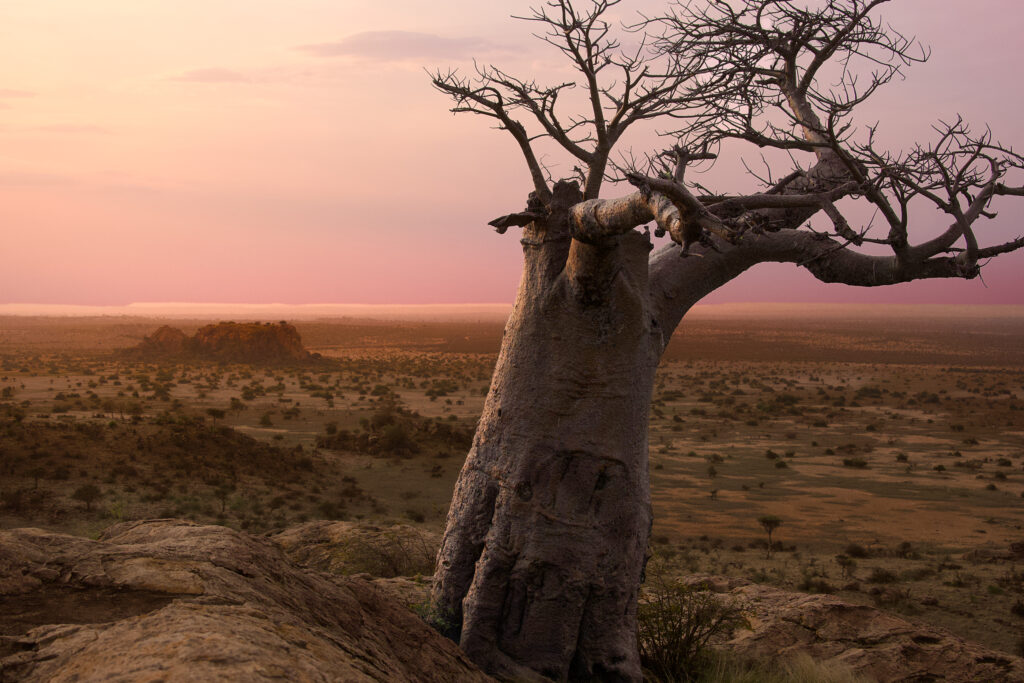
A herd of elephants standing quietly in the shade. A giraffe moving slowly across an open plain. A bird you had not expected. Dust, rain, grey skies, or an animal that will not come closer no matter how long you wait.
The photographs women love most at the end of a trip are rarely the ones they planned. They are the ones that surprised them. A small moment, good light, real behaviour. Something that felt like theirs.
That is what I want people to find on tour. Not a copy of somebody else’s Africa. Their own.
A fairer way to look at other work
The next time you feel that your safari photographs are not good enough, pause before you judge them. Ask whether you are looking at your own experience, or measuring it against someone else’s single best moment. Africa does not owe you a leopard in perfect light or a lion framed against a burning sky. It gives you what is there: dust, patience, movement, silence, and the occasional moment that stays with you long after you have put the camera down. Your photographs do not have to look like anyone else’s to matter. They only have to be honest about what you saw, what you felt, and what Africa chose to show you that day.