
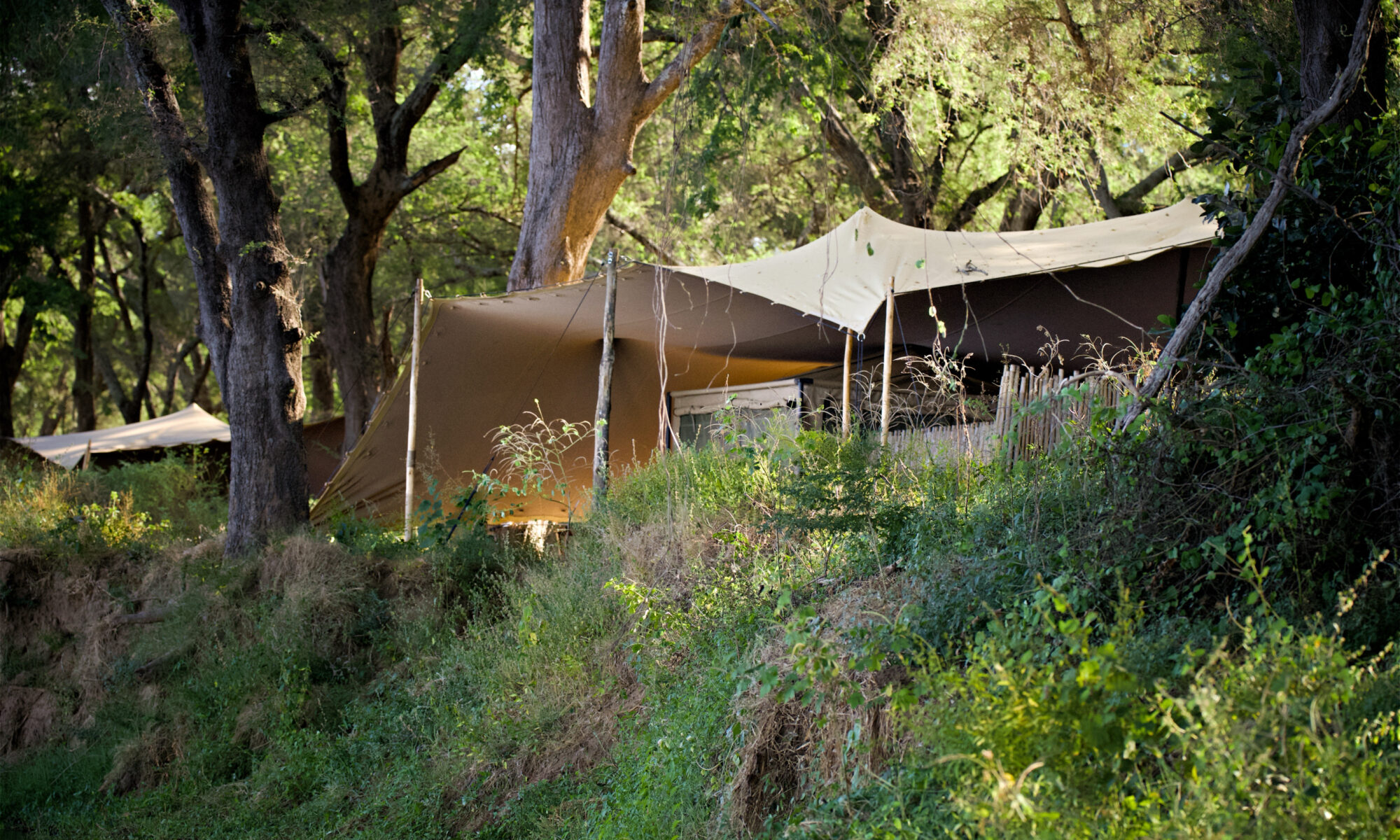
Bush Luxury: Comfort With Care
After a dusty game drive, I appreciate a warm shower and a comfortable bed. I enjoy a beautiful room, too. Having spent forty years working in first-class service, I notice when someone has thought carefully about a guest’s comfort.
But the standard of a safari camp is about more than its rooms.
I want to know how it uses water and electricity, how its staff are treated, and how its guides behave around wildlife. These things influence where I choose to stay and which partners I want to work with on my women-only photography safaris.
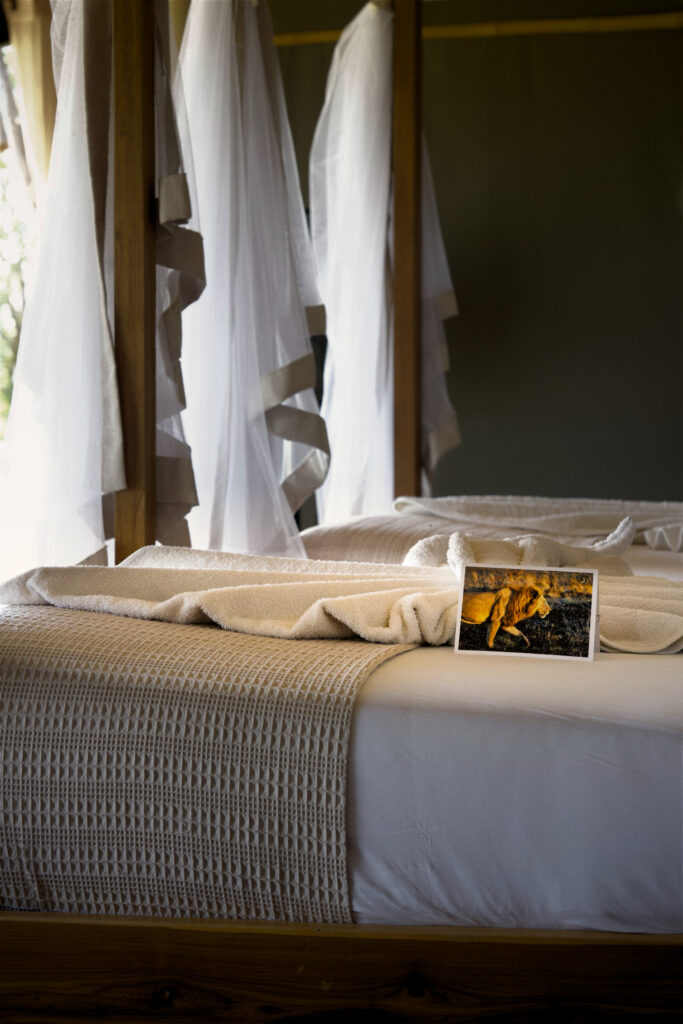
Good Service Is in the Details
For me, good service starts with getting the practical things right.
An early breakfast ready before our game drive. A dietary requirement remembered without another reminder. Clear information about where we can charge camera batteries.
I appreciate staff who are attentive without making everything feel formal. After hours in a vehicle, sometimes I want to talk about the photographs we took. Sometimes I want to wash off the dust and sit quietly outside my tent.
Good service leaves room for that. It also includes being honest when something cannot be provided, rather than promising more than a camp can deliver.
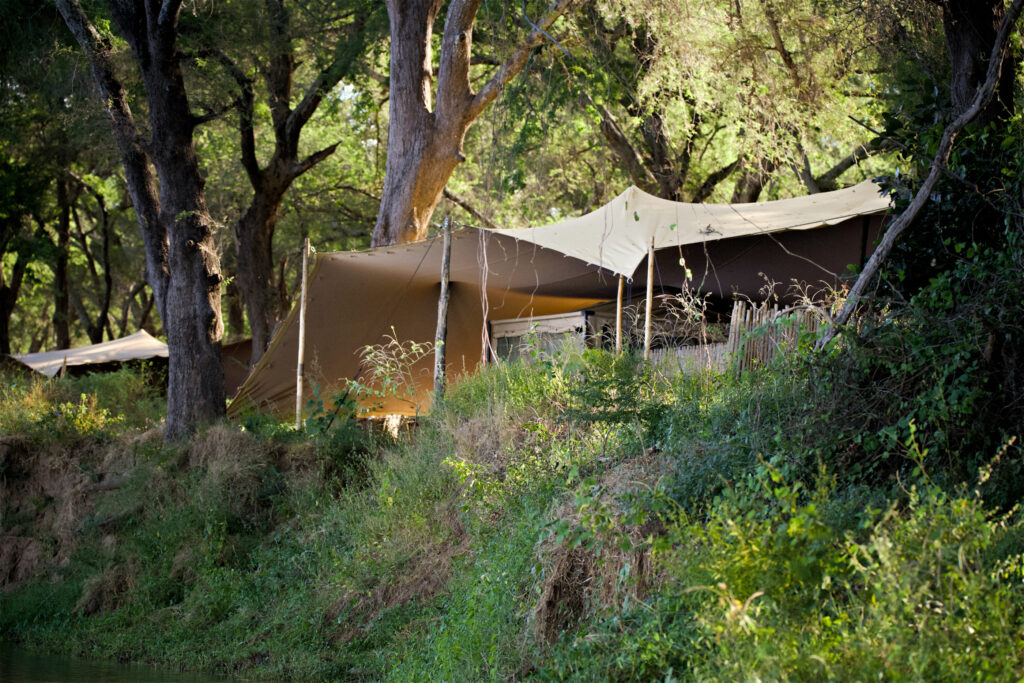
A Tent Can Be Just as Comfortable
I am happy staying in a permanent lodge or a mobile camp when the service is excellent and the arrangements are explained properly.
A well-prepared tent with a comfortable bed can suit me perfectly. I do not need every facility I would find in a city hotel. I do want to know what to expect.
Is there a fan? When can we charge our equipment? Is hot water available throughout the day, or should we arrange a shower with the camp staff?
These are useful details when choosing a safari. They matter much more than simply calling somewhere “luxury.”
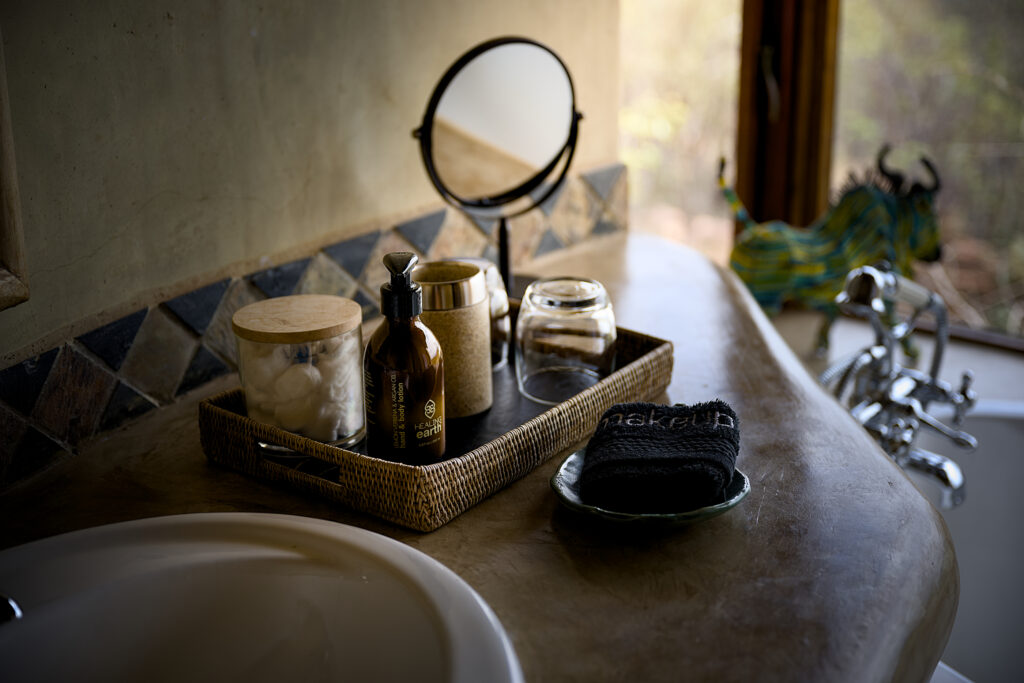
Water in the Dry Season
Water deserves particular attention during the dry season. I want to understand where a camp gets its supply and how it manages periods of shortage, rather than assume every destination faces the same conditions.
As a guest, I can keep showers short and reuse towels. I rarely need fresh bed linen every day during a short stay. Reducing unnecessary laundry also reduces the water and energy needed to wash it.[1]
A large bath can look beautiful, but it is not something I need to enjoy my stay. Where water is limited, I would rather have a brief shower and know why the camp is asking us to use it carefully.
A Warm Bucket Shower Is Enough
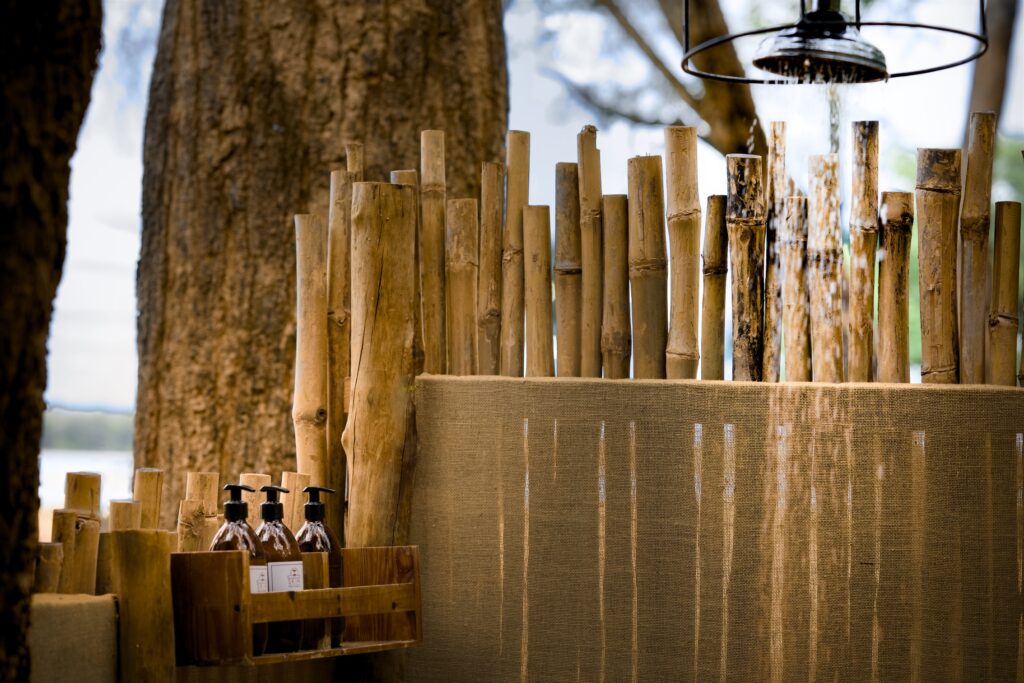
A bucket shower would not put me off a camp.
For anyone unfamiliar with one, water is placed in a container above the shower, then released through a showerhead using a tap or valve. Depending on the camp, staff may prepare warm water at an agreed time.
You wet yourself, turn the water off while washing, then turn it back on to rinse. It asks for a little more attention than leaving a shower running.
For me, that is a perfectly comfortable way to wash after a game drive. I would rather have a warm bucket shower that works well than an elaborate bathroom with unreliable hot water.
But a bucket shower alone does not prove that a camp is environmentally responsible. I would still want to know how water is sourced and what happens to it afterwards.
Air Conditioning Is Not Always Excess
I do not enjoy extreme heat. I also do not think guests should feel guilty for wanting to sleep comfortably.
I understand why some camps offer air conditioning when temperatures are high and rooms remain hot into the night. Whether I consider it appropriate depends on the conditions and how the cooling is provided.
Shade, ventilation, suitable roofing, and fans can reduce the need for mechanical cooling. They do not always remove it. Good building design should reduce heat gain as much as possible before relying on air conditioning.[2][3]
I want to know what powers the system and whether it is used sensibly. There is a difference between cooling an occupied room enough to sleep and keeping an empty room cold all afternoon.
Knowing the likely temperatures and the facilities available also helps us choose the right trip. I would rather discuss that before booking than have someone arrive expecting air conditioning where there is none.
“Eco-Friendly” Needs More Than a Label
A canvas tent does not tell me how carefully a camp is run. Neither does a photograph of solar panels.
I want to ask practical questions. Where does the electricity come from? How is sewage treated? What happens to rubbish once it leaves the guest areas?
I do not expect a remote camp to have solved every problem. I do expect a clear explanation of what it does well and where it still relies on less ideal options.
If a generator is needed at certain times, say so. If charging hours are limited, explain them. I can plan around practical restrictions far more easily than vague promises.
Conservation Includes the Game Drive
What happens outside camp matters just as much as what happens inside it.
A request to save water means less to me if the same company allows its vehicles to crowd a leopard or pressures guides to get closer for photographs.
I want partners who support their guides when they decide to keep their distance or leave a crowded sighting. Guests should understand that good service does not mean agreeing to every request.
The rules of the park or reserve still apply. In Tanzania’s national parks, for example, regulations include staying on designated tracks and not feeding wildlife. An expensive stay does not buy an exception. Neither does a professional camera.
The People Behind the Stay
The people preparing breakfast before dawn, maintaining the tents, and guiding us through the bush are responsible for much of what we enjoy on safari.
I want to understand how a company treats its staff and employs people locally. If it says it supports a community project, I want to know which project and how that support works.
The same applies to conservation claims. A clear explanation of an ongoing contribution tells me more than broad promises about making a difference.
I also believe local people should have a say in the tourism activities that affect them. Being employed by a camp and having a voice in decisions are not the same thing.
What I Look for in My Safari Partners
On my women-only photography safaris, I join you as your photography guide. Partner companies operate the trips, so their choice of camps and their approach to guiding matter directly to our time together.
I look for partners who will discuss water restrictions and hot nights as openly as comfortable beds and good food. I want accurate information before anyone books.
A mobile camp with bucket showers may be right for one safari. A permanent lodge with more facilities may suit another. I do not judge either by the number of extras on offer.
I want to arrive knowing that we will be well looked after, that the guide can say no when necessary, and that the camp can explain how it uses the resources available to it.
More Insights and Nice to Knows
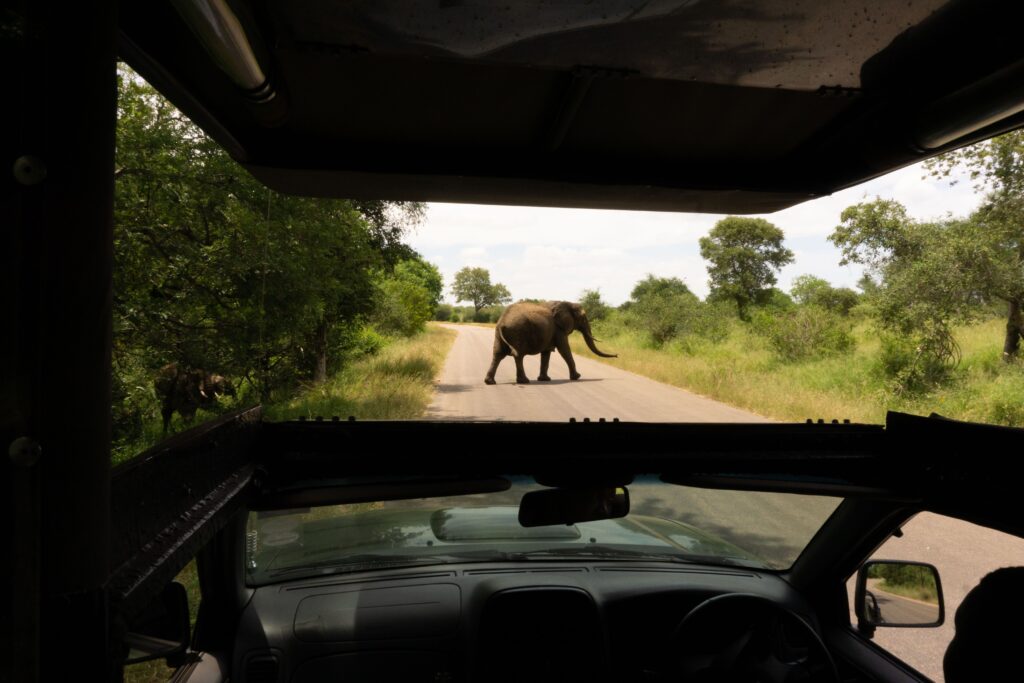
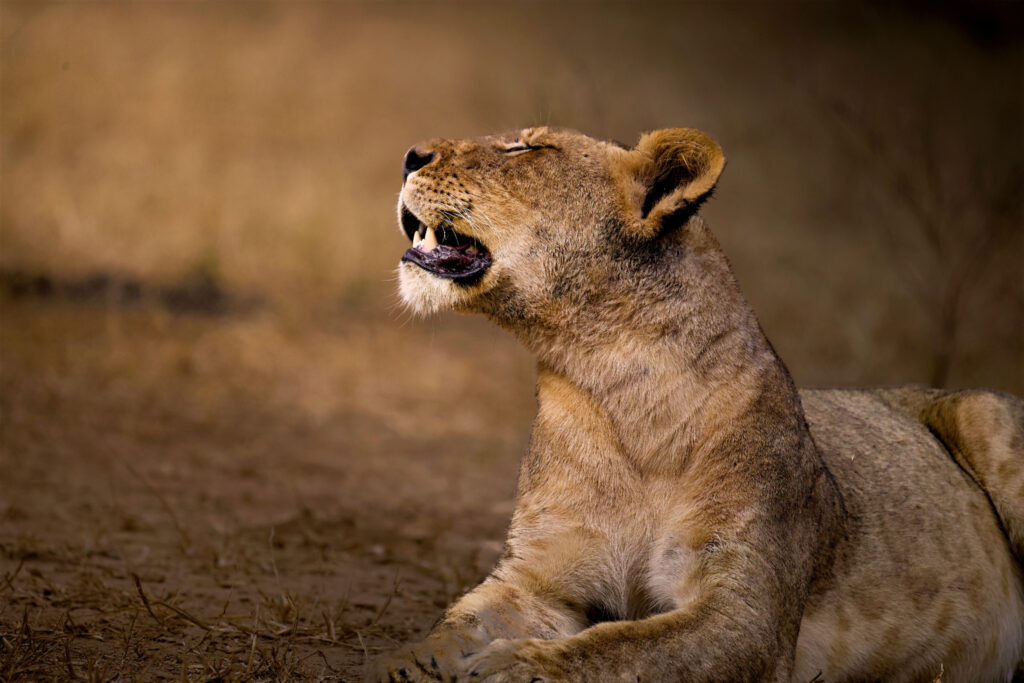
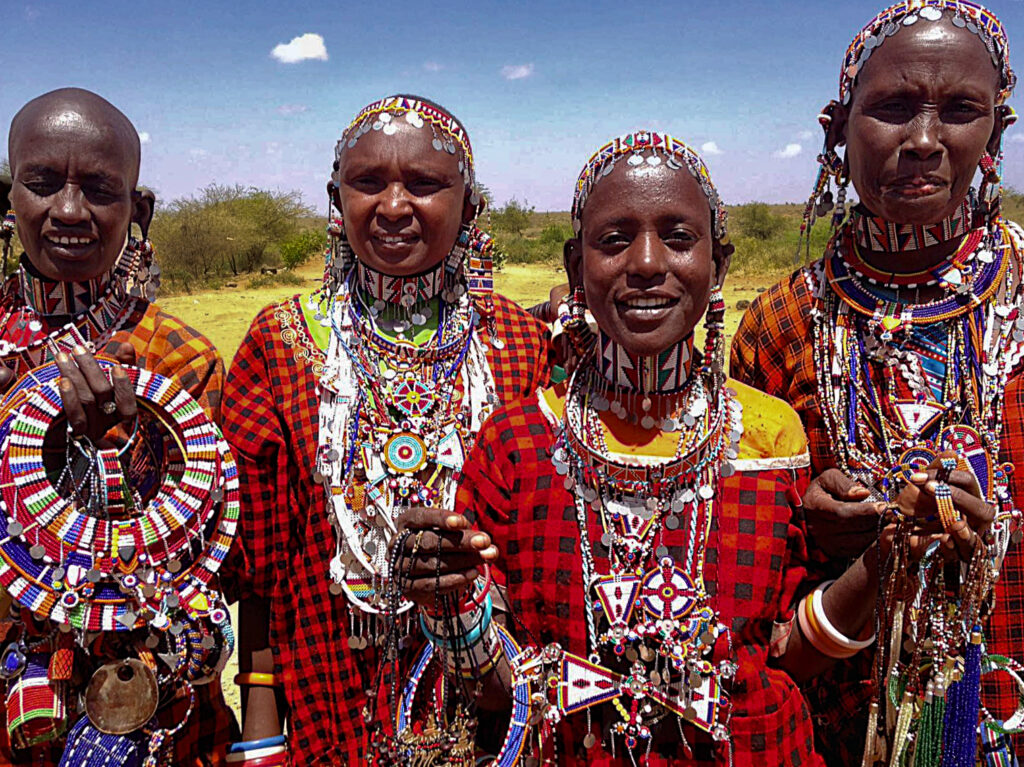
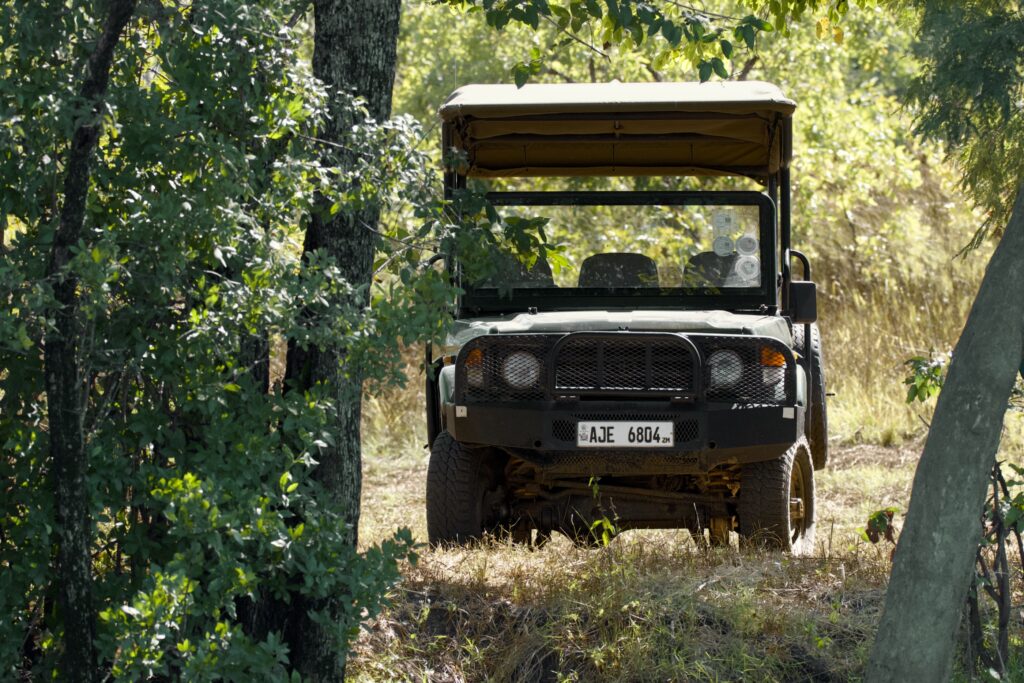
My Safari Ethics and why I would rather miss a leopard than join fifty vehicles crowded around it…
Bush Luxury and do you really need a freestanding bathtub in your bush camp to feel comfortable…