A life shaped by cattle and land
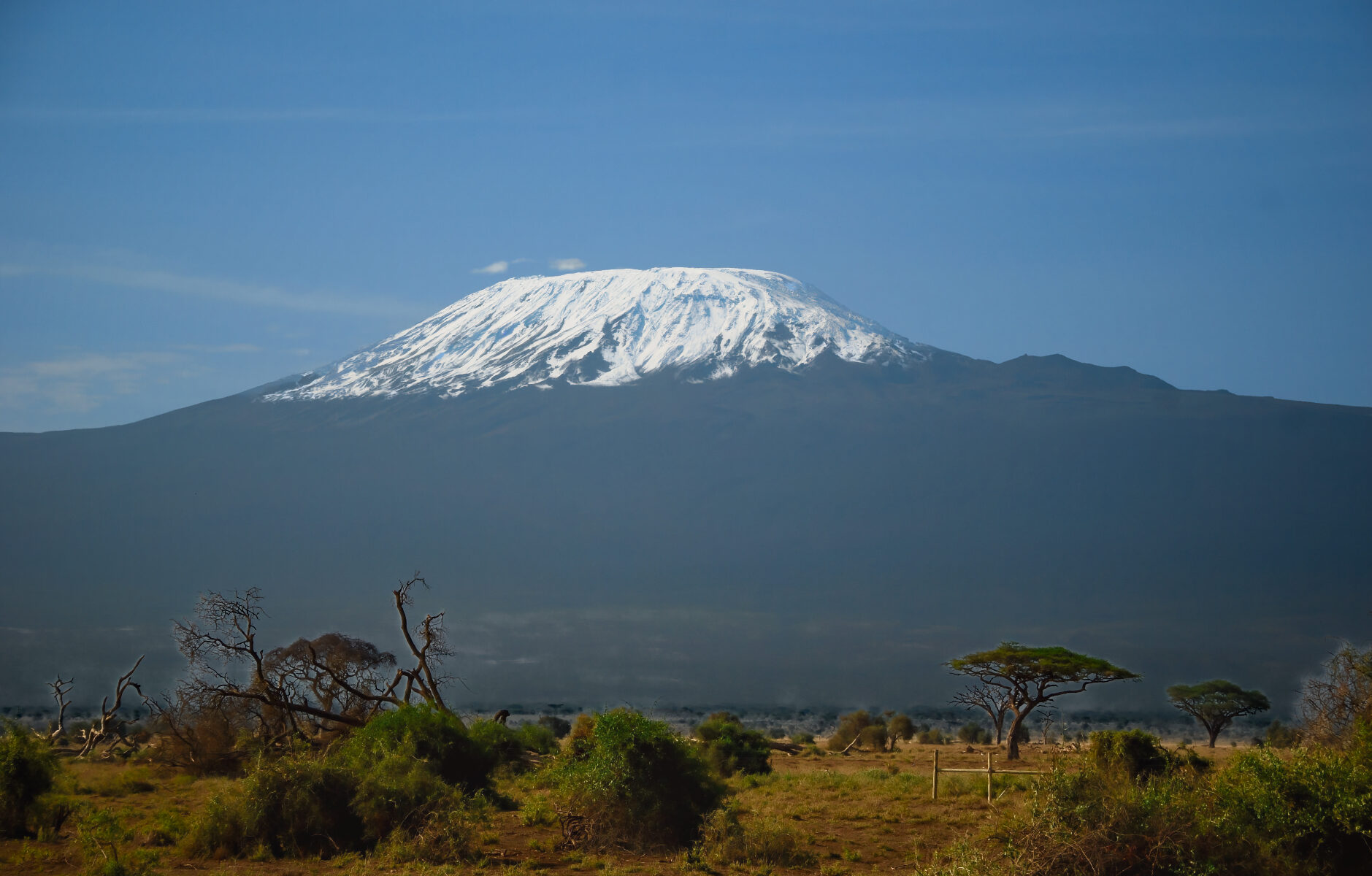
Across the savannahs of southern Kenya and northern Tanzania, Maasai communities live with a close relationship to land, livestock, and the knowledge of older generations. Traditionally pastoralists, they move their herds depending on where water and grazing can be found. Cattle matter far beyond daily income. They shape family ties, social relationships, and a sense of identity.
More than shúkàs and beadwork
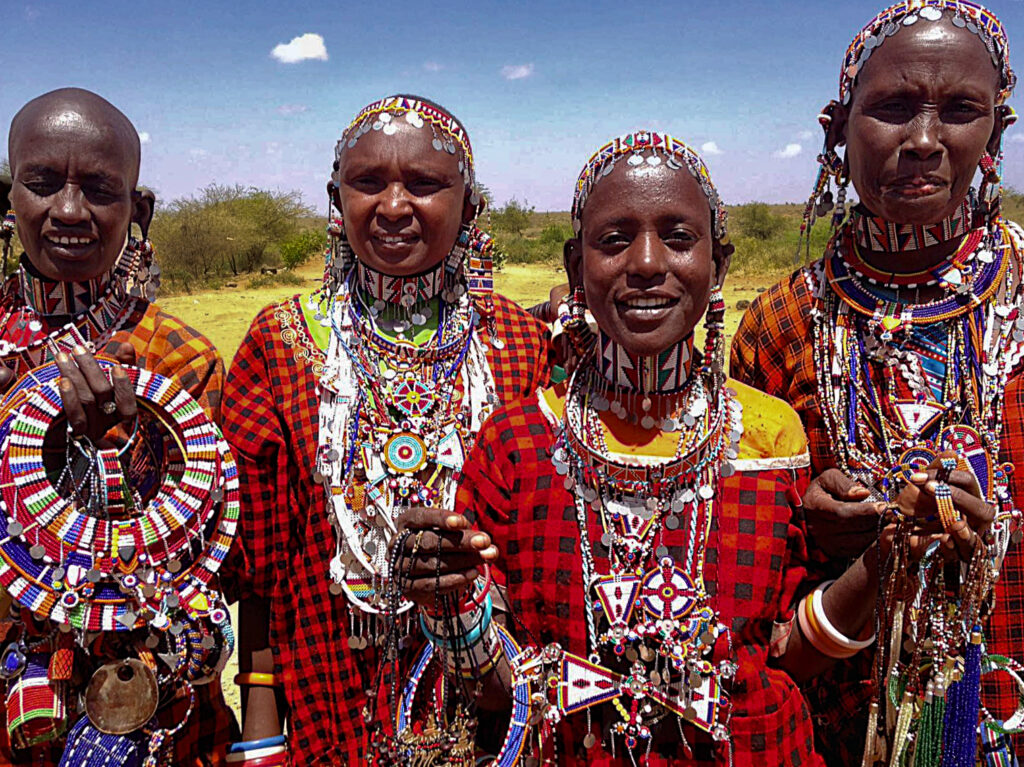
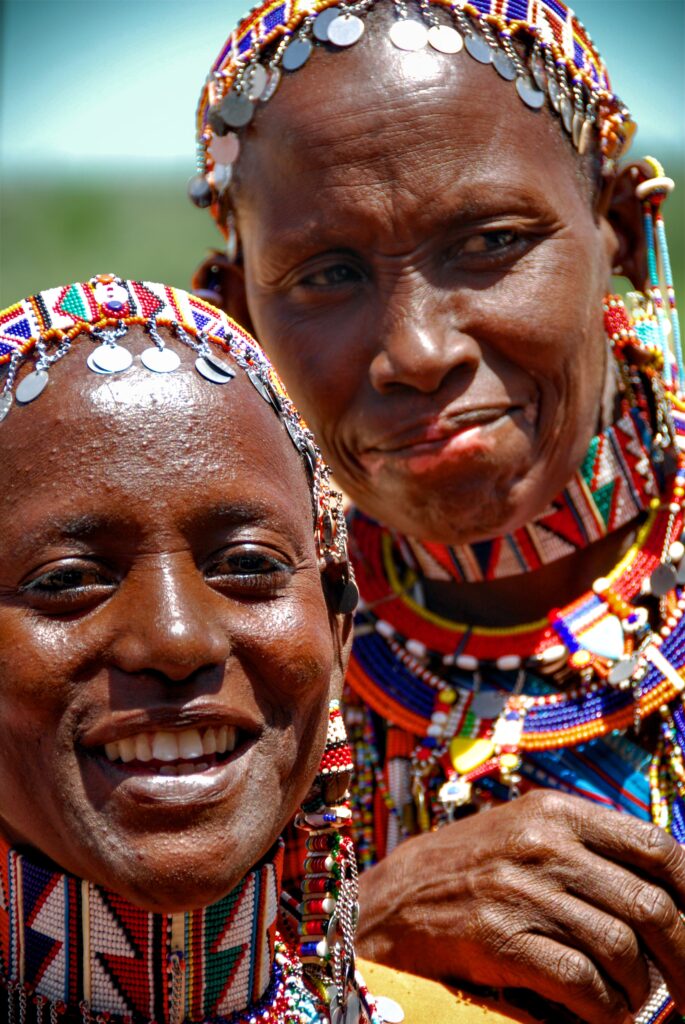
The colourful shúkà cloths and detailed beadwork are what many visitors notice first. But they are only what visitors see first. Maasai communities are not all the same. People work in tourism, business, farming, and other fields, while their connection to pastoral life can still remain strong. There is no single way to be Maasai.
Where Maasai work today
Maasai people work in many different fields today. Some continue to keep cattle and move with their herds. Others farm, run small businesses, teach, work in health care or government offices, or work in tourism.
Around Kenya’s and Tanzania’s national parks and conservancies, Maasai people work as guides, drivers, camp staff, lodge managers, rangers, and community conservation officers. Many also work in schools, health care, craft production, and local organisations that support land rights, women’s rights, and wildlife conservation. Some run beadwork businesses, homestays, or community tourism projects. Others study or work in towns and cities, while family and community remain important at home.
Land, wildlife, and difficult choices
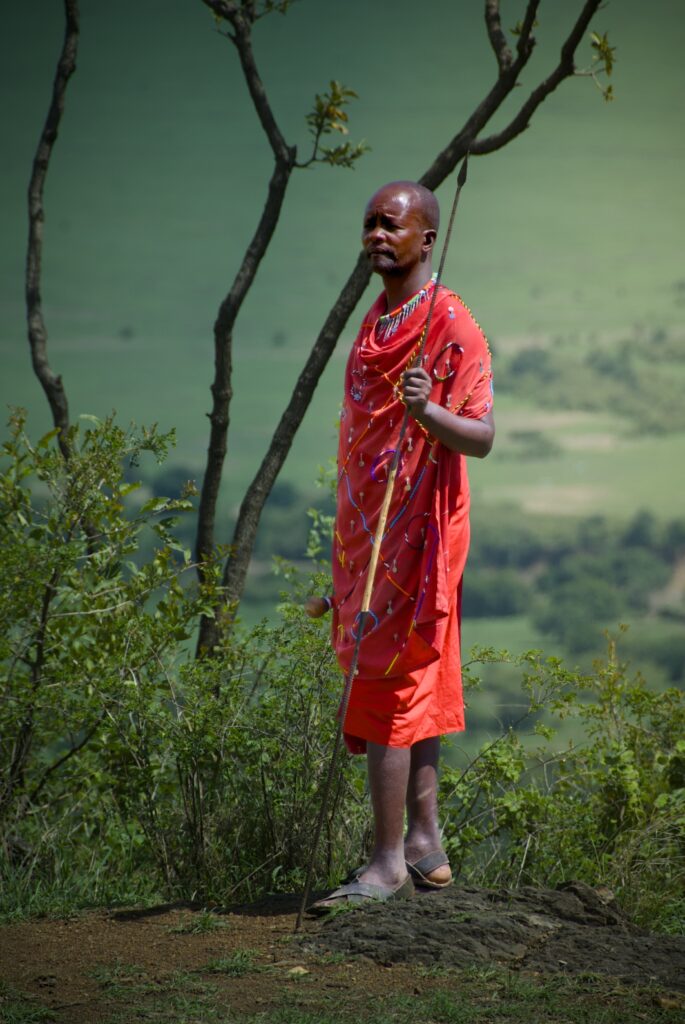
Many communities today face pressure from drought, changing land ownership, and less access to traditional grazing areas. Their relationship with wildlife conservation is complicated. Maasai pastoralists have shared these areas with wild animals for generations, but some conservation projects have limited their access to land or moved communities away from it. If we want to understand these places, we need to listen to the people whose lives are rooted in them.
Meeting people, not just taking photos
On my women-only photography safaris with RAW Africa Eco Tours, visiting a local village is not a staged performance or a quick photo stop. It is a chance to meet people, hear their stories, and understand more about everyday life, traditions, and what it means to live alongside wildlife.
Our small groups leave room for time to talk and ask questions. You may learn about Maasai culture and pastoral traditions, see how people live between tradition and modern life, and hear directly from local voices about conservation, land, and community-led projects. The people we meet are not part of the scenery. They are hosts and experts on their own lives.
A different way to travel
For me, a conversation starts when we see people beyond the photograph, with what matters to them. The best connection is not an image to take home. It is the chance to listen, learn, and travel with more respect.
More Insights and Nice to Knows

My Safari Ethics and why I would rather miss a leopard than join fifty vehicles crowded around it…
Bush Luxury and do you really need a freestanding bathtub in your bush camp to feel comfortable…