A PDF itinerary can promise you the Mara or the Serengeti, show you pictures of tented camps, and list two game drives a day. What it rarely tells you is what happens at 8:30 in the morning when the light is still golden, a female cheetah has just stood up on an anthill, and the camp kitchen back at the lodge is preparing a hot buffet.
Back for breakfast or staying out?
On many standard safaris, the vehicle turns around around 8:30 or 9:00 AM so guests can sit down for breakfast at camp. There is nothing wrong with a hot meal at a table, but if you have a camera in your hands, that schedule can break your heart.
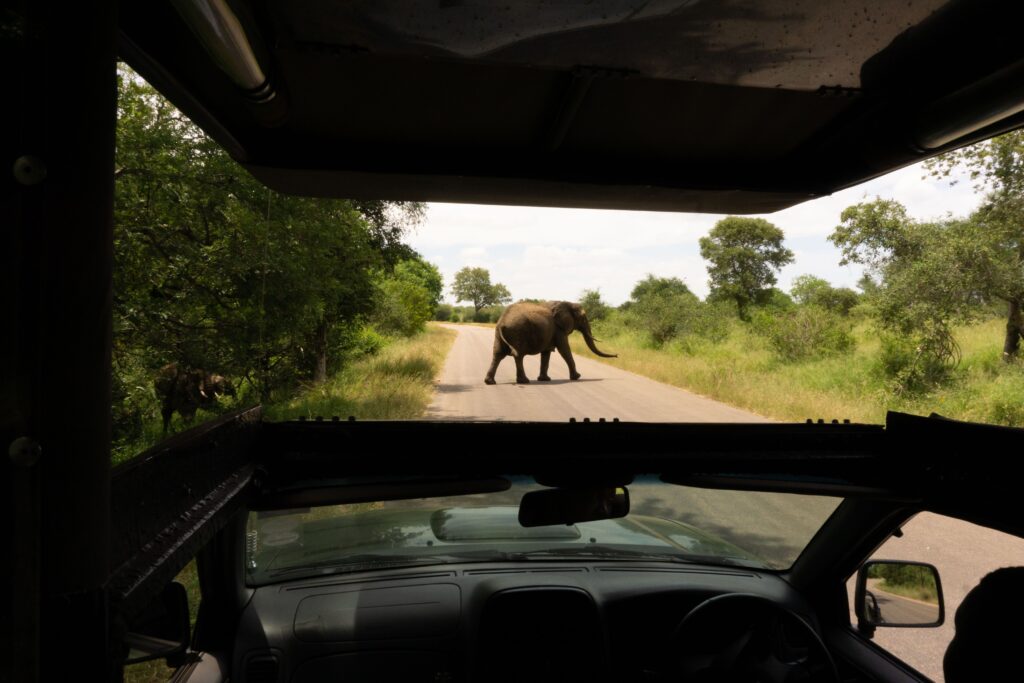
Predators do not keep kitchen hours. When a leopard decides to carry a kill down from a tree, or an elephant herd starts moving toward the water, you need the option to stay right there.
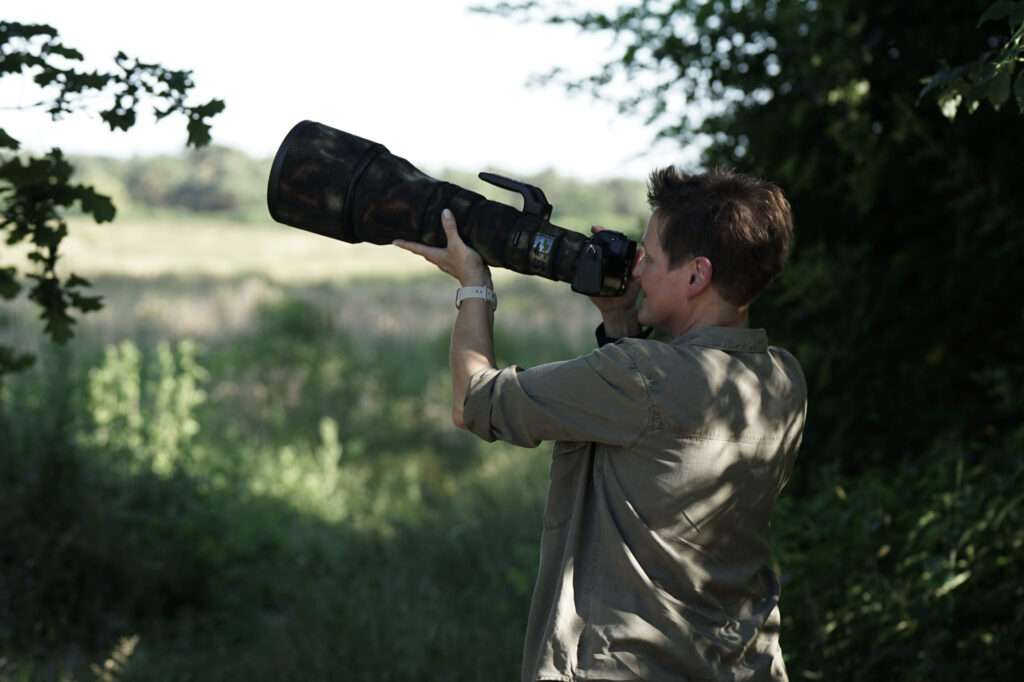
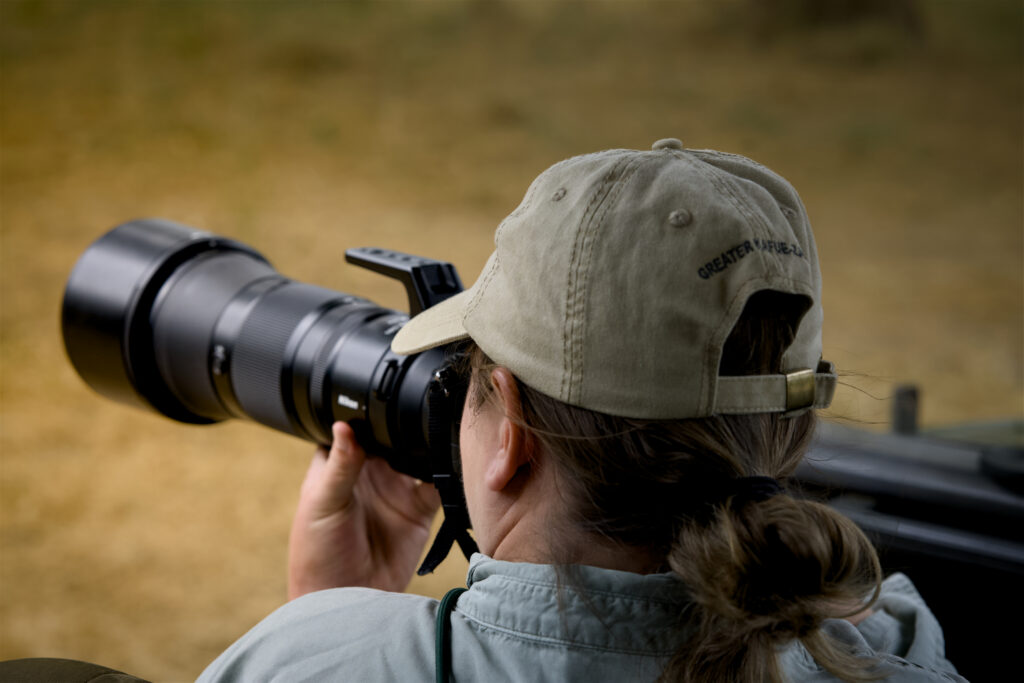
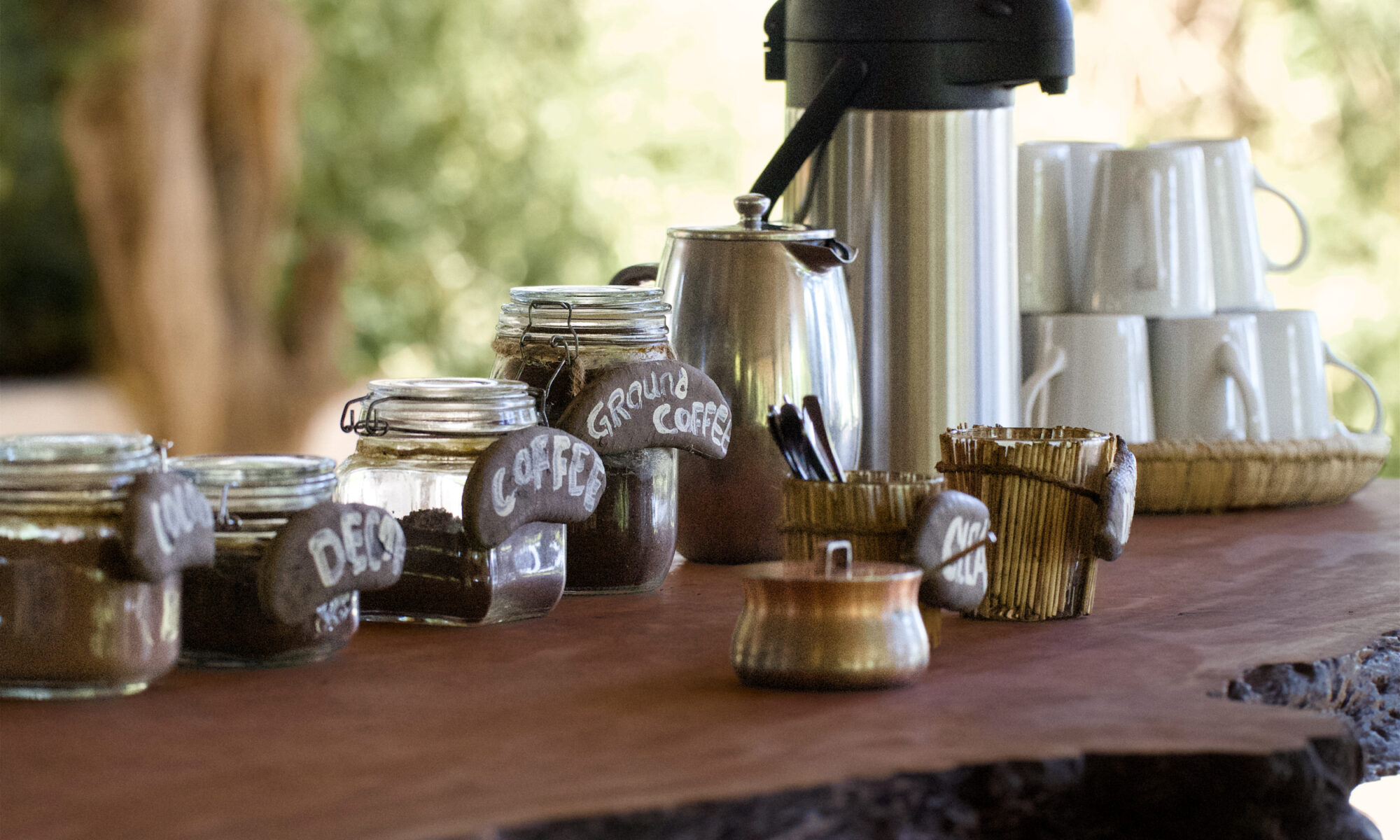
Before I book any trip, I ask two direct questions: can we take a packed breakfast into the bush, and can we remain at a sighting as long as the animal behaviour warrants it? Eating a hard-boiled egg and drinking coffee out of a thermos from the back of the Land Cruiser is a small trade to keep your 400mm lens pointed at an active sighting.
Who shares your vehicle?
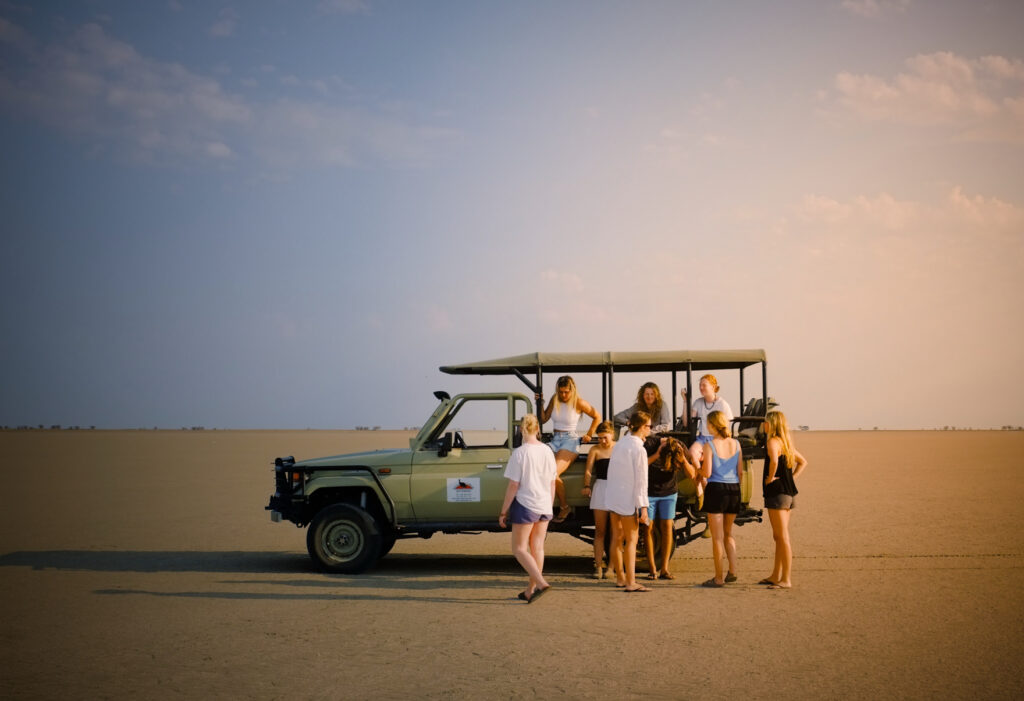
A women-only safari is not automatically a photography safari. If half the women in your vehicle booked the trip to relax, chat, and check off sightings before heading back to the pool, their priorities will clash with yours within twenty-four hours.
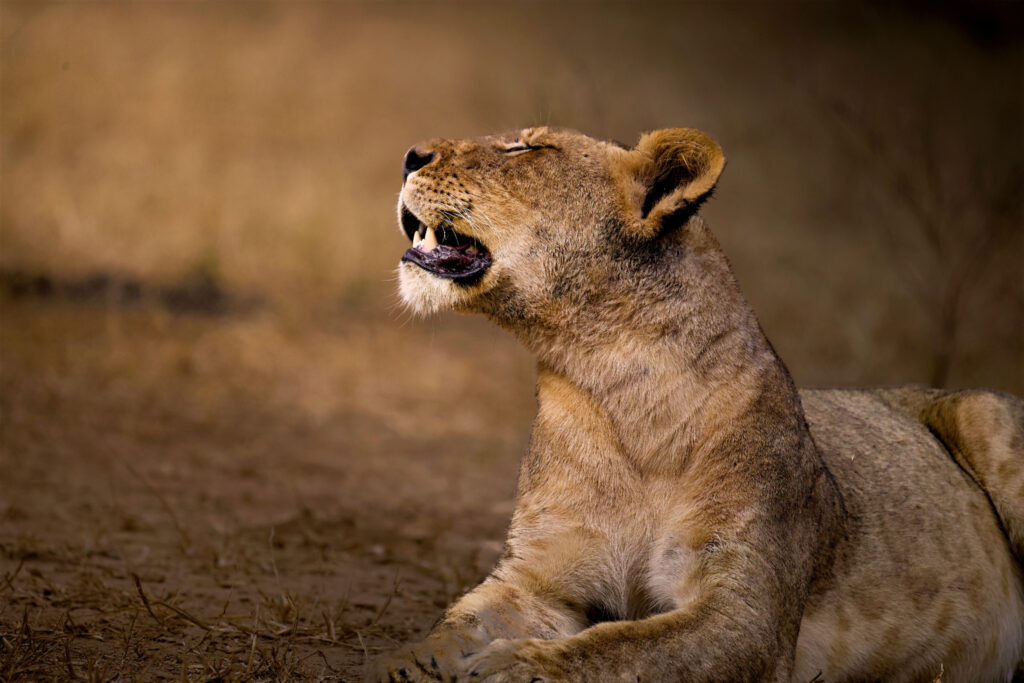
Waiting for an animal to turn its head toward the sun or watching a lion cub nurse takes stillness and patience. It requires everyone in the vehicle to understand why the engine is off and why nobody is shifting their weight while you hold focus. When the people beside you share that same quiet obsession, nobody sighs, nobody looks at their watch, and nobody asks the driver to leave because they are hungry.
How the animals are treated
I have strict lines on how guides and operators treat wildlife. You can see how an operator works by what they allow around the vehicle.
If a guide drives off-road where it’s not permitted, pushes an animal into moving, or corners a mother with cubs, I will not travel with them. Animals in the wild need space, quiet, and an escape route at all times. A good guide does not bait animals, never lets tourists touch or handle them, and never guarantees sightings. The thrill of wild photography comes from witnessing natural behaviour on the animal’s terms, not stage-managed entertainment.
Where the money stays
Ethical tourism means looking at who benefits from the vehicle fees, bed nights, and park entry.
I want to know if the camp employs and trains local guides, pays fair wages, and works directly with neighboring communities. Wildlife protection collapses when surrounding communities are shut out or treated as an afterthought. Human livelihoods and habitat conservation depend on each other. When you pay for a safari, your money should support local families and long-term conservation projects on the ground, not just disappear into offshore booking agencies.
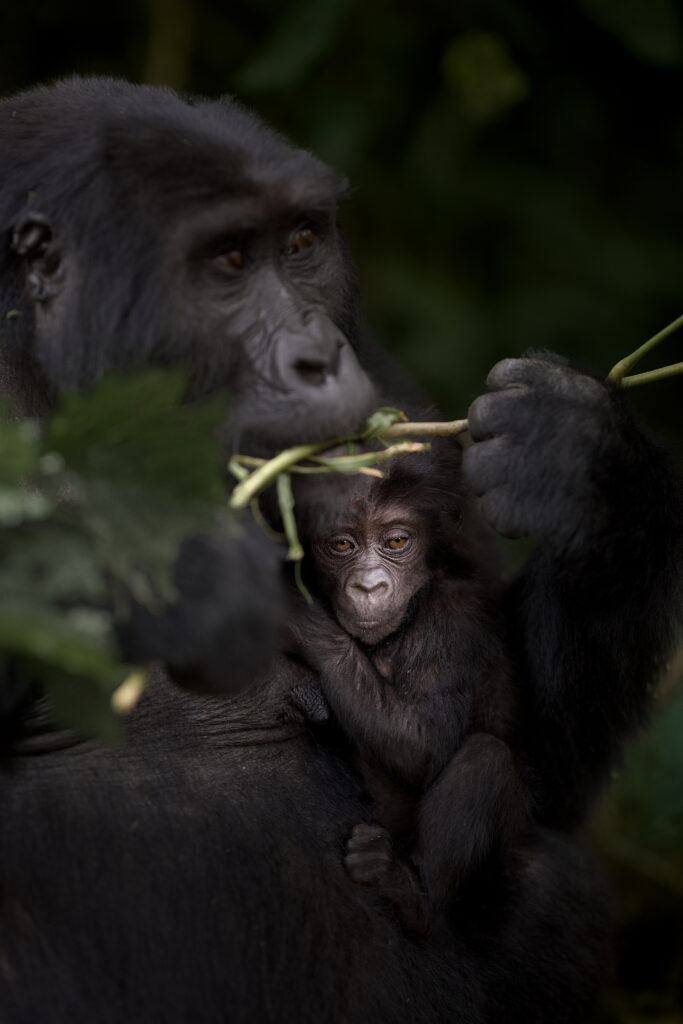
One of the best known conservation programs runs in Uganda. Locals are chosen every day as porters to assist tourists on their treks through the dense forest, communities are compensated when the gorillas devastate a harvest, guides and rangers are chosen directly from the villages close by. Due to these measures the population of the nearly extinct mountain gorillas has grown from only 700 left in the last decade to over 1000 by 2026.
Education over entertainment
A wild animal does not exist to perform for a lens. When a lioness sleeps through the midday heat under an acacia, or an elephant herd takes twenty minutes just to cross a dry riverbed, that is not dead time. That is their actual life.
I work with guides who understand the biology, the history of the pride, and the pressures facing the ecosystem. They use the quiet stretches between movements to read tracks, explain territorial calls, and talk about the realities of human-wildlife conflict. We do not whistle, bang on car doors, or circle around an animal to make it stand up. If the subject wants to sleep with its paws in the air, we wait. If it walks away, we let it go.
Respecting privacy and boundaries
Never trust an operator that guarantees sightings. Nature is not an open-air zoo with a schedule.
Wild subjects need privacy, clear flight paths, and room to hunt or feed without being hemmed in by four Land Cruisers. Any sanctuary, reserve, or concession must provide animals with areas where vehicles cannot go. Tourists have no business touching, stroking, or bottle-feeding wild animals. You do not need to put your hands on a mountain gorilla or pet a cheetah cub to care about their survival; you only need to give them the space they deserve.
Questions to ask before booking
Before you send a deposit for any safari, ask the operator these specific questions:
• Can we take a packed breakfast into the field, or does the vehicle return to camp by 9:00 AM?
• How many photographers are seated in each row of the vehicle?
• What are the camp rules about off-roading and staying at sightings?
• What percentage of the camp staff and guides come from the immediate local area?
• Exactly which local conservation or community projects do the bed-night fees fund?
When an operator can answer those questions without hesitation, you know your time behind the camera will be spent well, and your money will be doing the right thing.
The Way You Travel with me
My safaris are built around the reality of wildlife photography: full mornings in the bush, ethical guiding that protects the animals, and a vehicle full of women who understand why we do not leave.
I design these trips for women who take their way of traveling and photography seriously, care about where their money lands, and want the freedom to sit quietly with a sighting for as long as it takes.
On my safaris, the schedule follows the wildlife, the local communities share in the benefit, and nobody in the vehicle ever asks to rush back to camp.
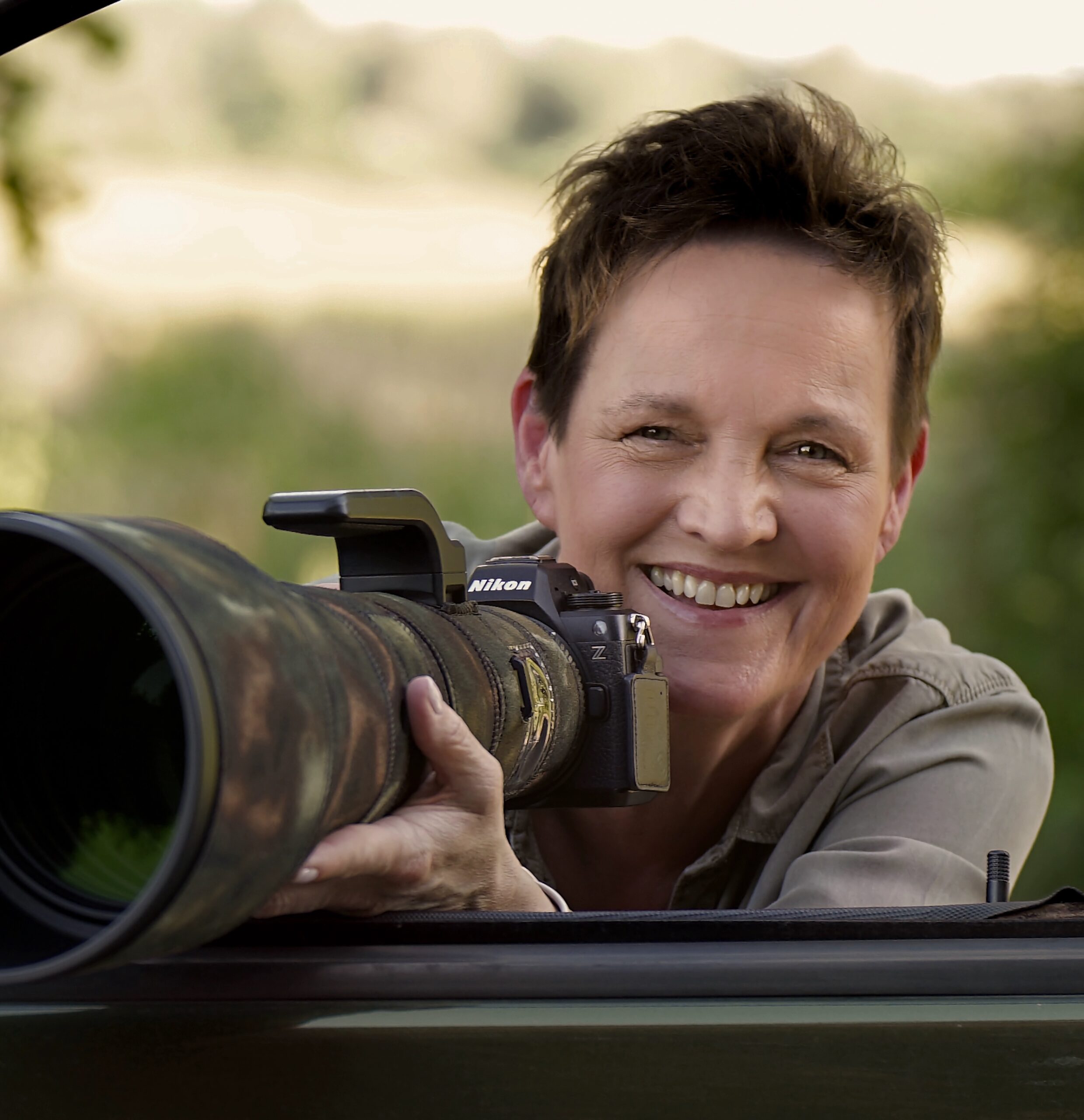
I personally accompany every photo safari, whether it’s a small group or a private safari. We go out looking for wildlife, follow the light, and stay ready for whatever turns up on the path ahead of us. The photos I want you to take home are the ones that show what the moment was actually like.
Heike Hutmacher
More Insights and Nice to Knows