Do I need to upgrade my Camera Gear to join a Photography Safari?
No, you do not need the newest camera to create beautiful wildlife and landscape photographs.
It is one of the questions I hear most often from women preparing for their first photography safari: Do I need expensive gear to join a women-only photography safari in Africa? The short answer is no. The longer answer is more honest—and more useful.
Why “gear doesn’t matter” can feel dismissive
You have probably heard experienced photographers say that camera gear does not matter. It is easy to say when you have photographed for years, already own reliable equipment, and no longer worry about which button to press.
But if you are just beginning your wildlife photography journey, that advice can feel frustrating. You may genuinely not know what you need yet. So let me be clear: gear does not make you a better photographer, but understanding your gear—and knowing when it truly limits you—absolutely matters.
Gear Cannot See for You
A ten-thousand-euro camera body cannot teach you how an animal moves or when the cloud cover is about to break over the Mara.
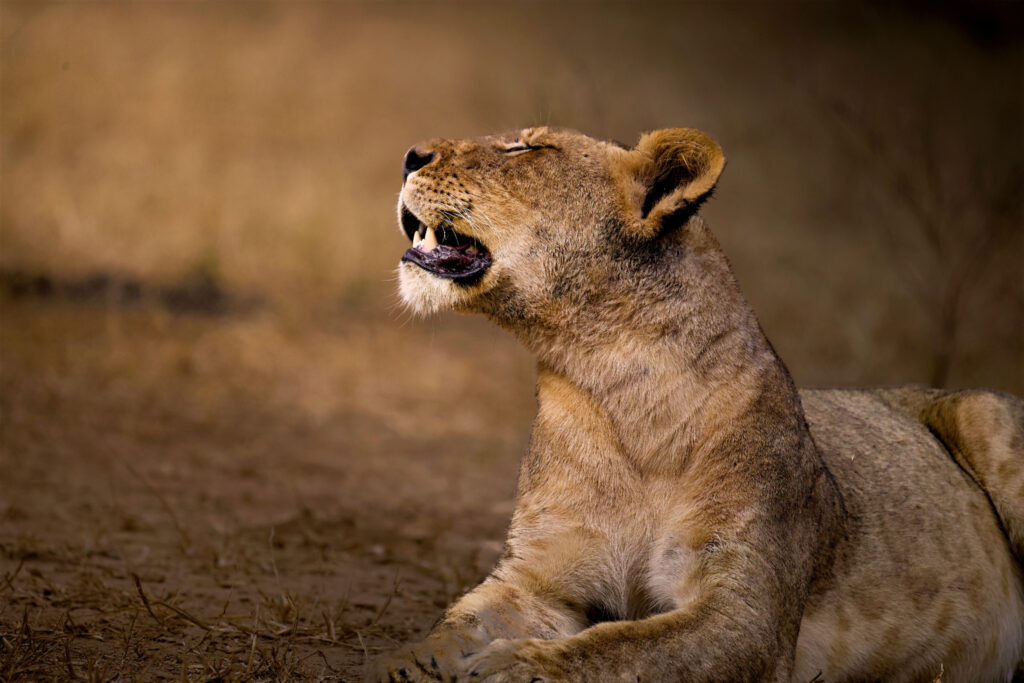
Too many photographers spend months debating megapixels and high-speed burst rates, thinking the gear will fix their shots. It never does. If you do not understand animal body language, if you cannot anticipate a lioness shifting her weight before she stands, or if you miss the direction of the morning sun, faster autofocus will only give you sharp frames of a poorly timed moment.
The camera does not decide how you see light, anticipate animal behaviour, choose your position, or wait patiently for the moment. Those skills come from practice, curiosity, and time in the field. On a small-group women’s photography safari, that is exactly what we focus on: helping you build confidence with the camera you already own.
The trap of constantly upgrading
Photography communities often use the term GAS: Gear Acquisition Syndrome. It is the belief that the next camera body, faster lens, or bigger sensor will finally transform your images.
Usually, it does not.
A new camera can make your files technically cleaner, but it cannot give an image emotion, story, or a sense of place. A slightly imperfect photograph of a lioness looking directly into your lens will always be more powerful than a technically perfect image with nothing to say.
I have seen this on safari. Someone arrives with a camera bought only weeks earlier, still learning the menus and unsure where the controls are. Meanwhile, another guest uses an older camera she knows intimately. She watches the light, follows the animals, and makes decisions without hesitation. She often comes home with the stronger wildlife images.
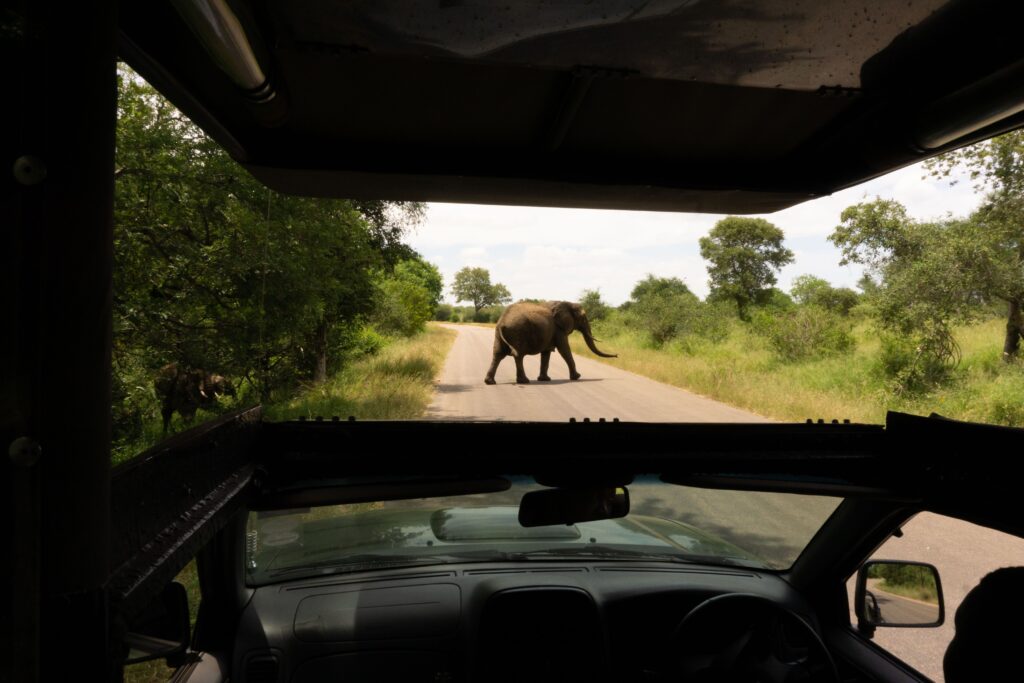
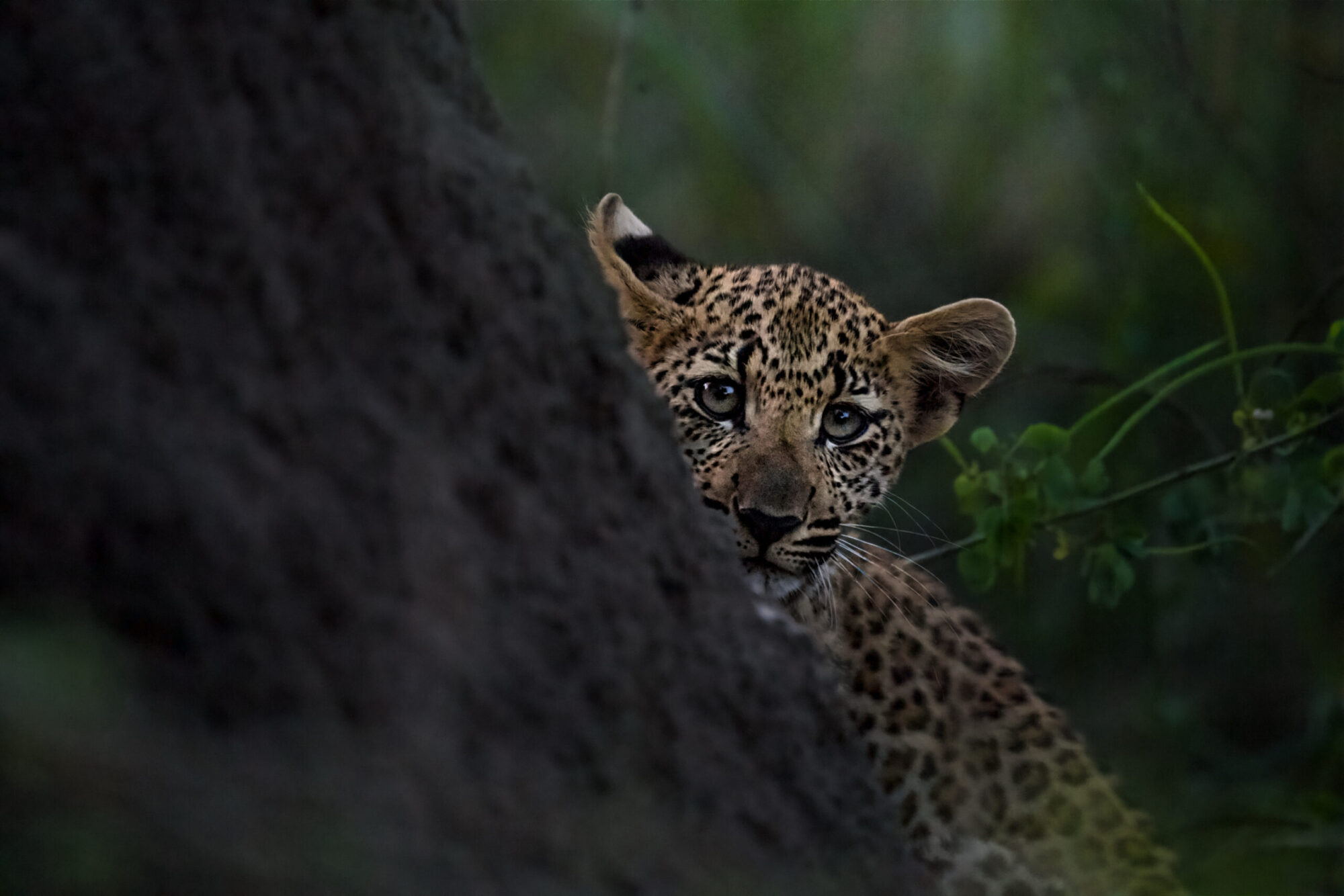
If you have recently bought a new camera, use it at home first. Learn it before your African photography safari. Build the muscle memory before you are watching a leopard disappear into a tree or waiting for elephants to cross the road.
My own camera journey
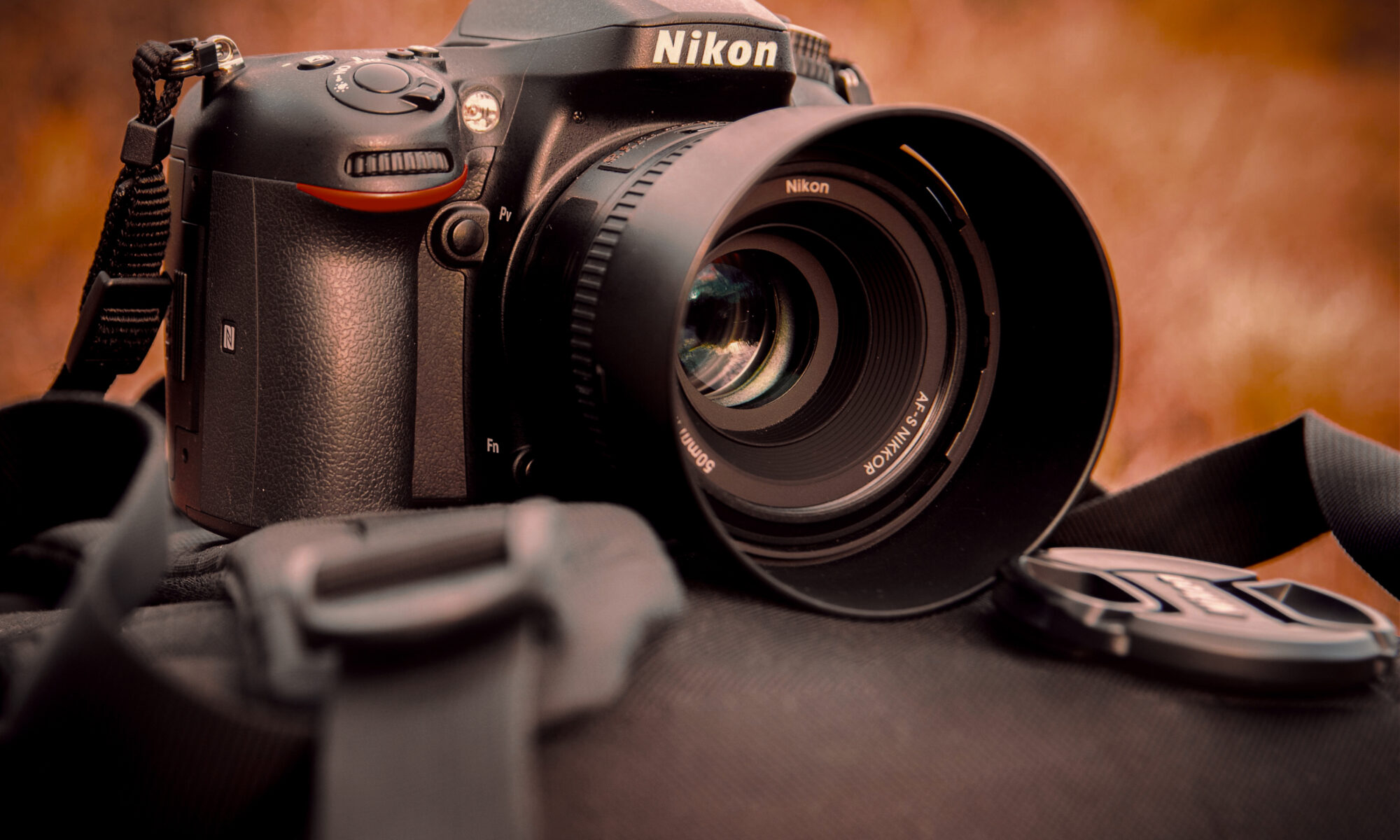
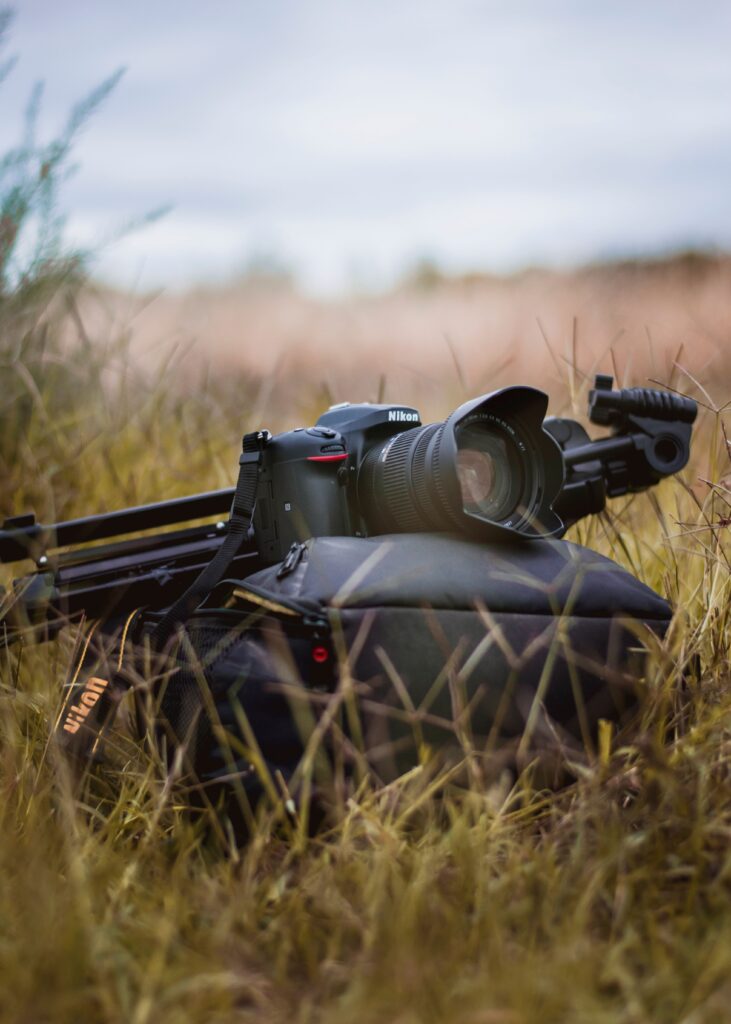
My first camera was a Nikon D40, given to me by my parents. For years, I used it with an 18–200mm lens. It was not the ideal wildlife photography setup, but it worked…and I am grateful it got me started.
Were my photographs amazing? No. But they were not bad either. They taught me to observe, to be patient, and to keep practising.
Later, I moved to a Nikon D5600 with a few kit lenses and a Sigma 100–400mm. I also added a Nikon Z50 as a second body. Then, after spending three months in Africa in the early 2020s, I realised something important: my gear was beginning to limit the kind of wildlife photography I wanted to create.
That was not an impulsive upgrade. It was a clear need.
I first moved to a Nikon Z6 II, and later to the Z6 III.
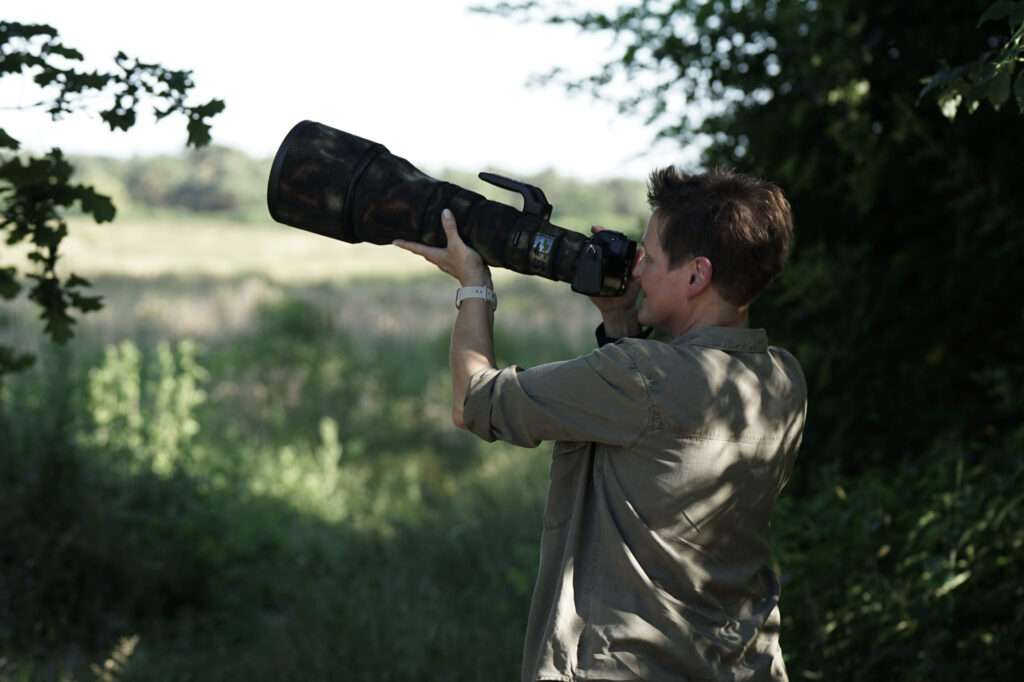
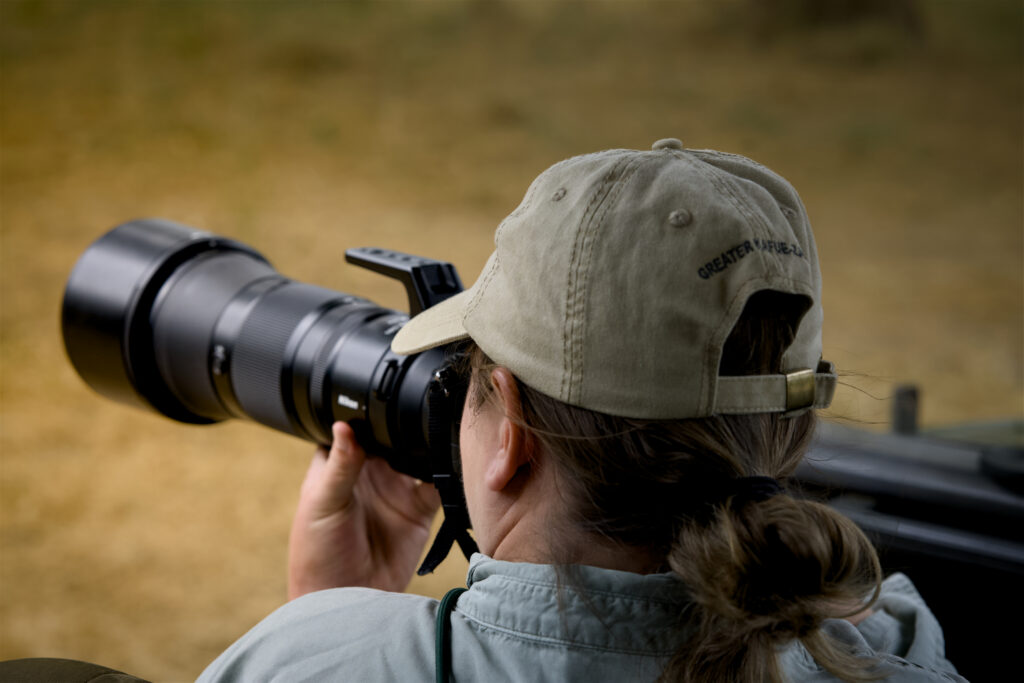
I also sold my older cameras and lenses and started again with Nikon Z lenses. Today, my favourite lens for photographing wildlife in the bush is the Nikon Z 800mm. I also love the Z 70–200mm and the Z 135mm Plena for more intimate wildlife portraits, landscapes, and details.
But here is the point: I upgraded because I had outgrown my equipment for a specific purpose—not because a new model had been released.
When camera gear really matters
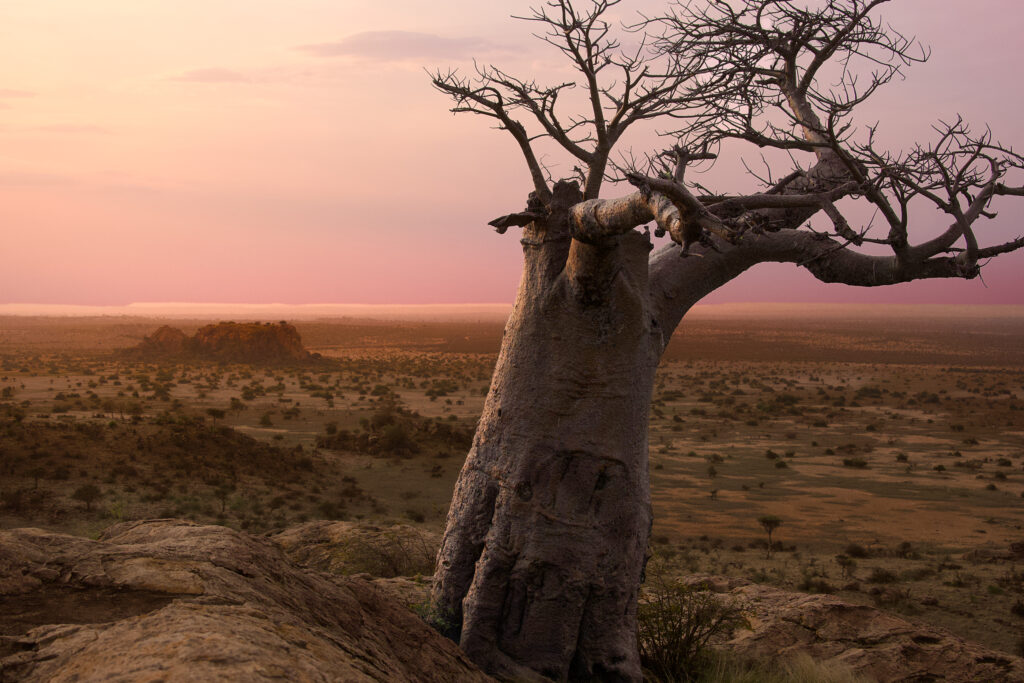
For most landscape photography in good light, the camera you already own is probably enough. Sunrise, golden hour, dramatic skies, and thoughtful composition do far more for an image than the latest camera body.
Wildlife photography is a little different. Animals move quickly, light changes constantly, and moments often last only seconds. A longer lens, reliable autofocus, and a camera you know well can help—but they still cannot replace patience, positioning, and understanding animal behaviour.
On safari, the photographers who create the most memorable images are rarely the ones with the largest bags. They are the ones who know their settings, stay present, and give the scene time to unfold.
Less gear, more photography
There is another side to this conversation: how much gear do you actually need?
I have watched photographers arrive with several camera bodies, too many lenses, filters, drones, laptops, and tripods. By the time they choose what to use, the light has changed.
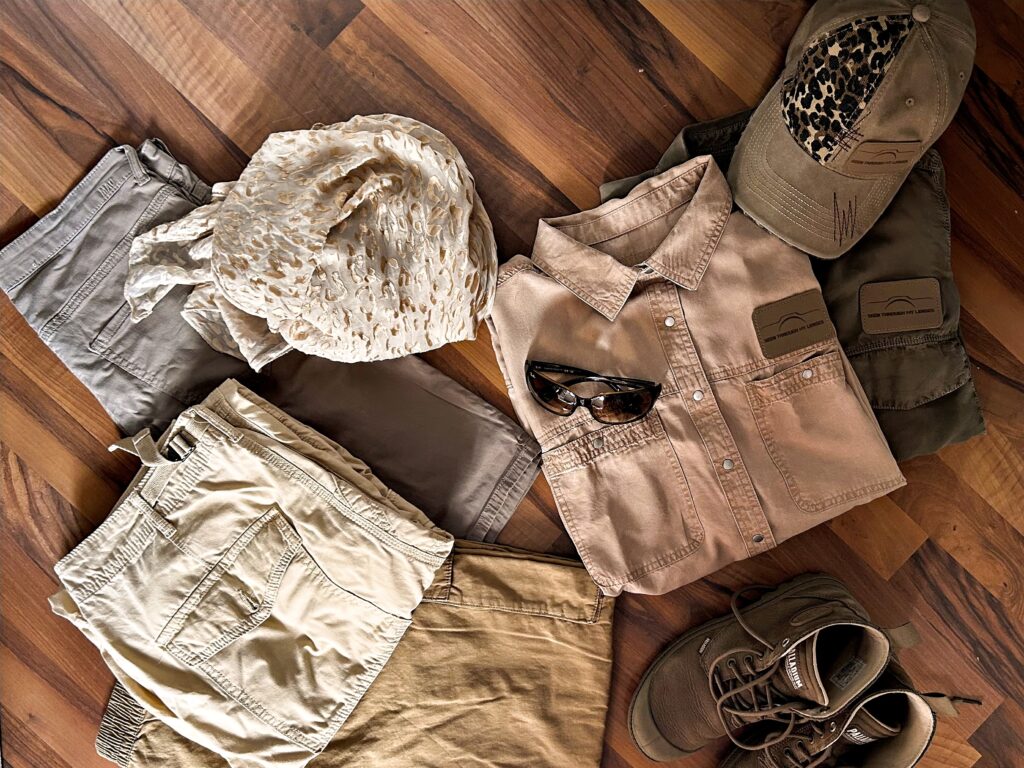
A simpler kit gives you more freedom. It means less weight, fewer decisions, and more attention for the moment in front of you. On a wildlife photography safari, I would always choose one camera you know well, and if you have it, a second body, one or two versatile lenses, spare batteries, memory cards, and comfortable clothing over a bag full of equipment you rarely use.
The right piece of gear is not necessarily the most expensive one. It is the one that removes friction and keeps you photographing. If you are new to wildlife or landscape photography, buy the best camera you can comfortably afford—then stop thinking about upgrades for a while.
Use it. Learn its buttons. Practise at home, in your garden, in a local park, or on a weekend walk. Push it until you understand exactly what it can and cannot do.
Why I recommend to bring two bodies?
In an open safari vehicle, dusty roads and fast-moving wildlife make changing lenses impractical. Dust can easily reach the sensor, and by the time you have swapped lenses, the moment may already be gone.
The best setup is simple: attach your preferred long lens to your main camera body, and a shorter lens to your second body. This way, you can move quickly between a distant leopard and elephants close to the vehicle—without exposing your sensor to dust or missing the action.
Two bodies are not about carrying more gear. They are about staying ready, protecting your equipment, and being able to respond instantly when wildlife appears.
Before buying new gear, ask yourself:
• Which specific photographs am I missing?
• Is my camera truly preventing me from making them?
• Have I learned my current camera properly?
• Would a new lens, tripod, or camera solve a real problem—or am I simply tempted by something new?
If you cannot answer with something specific, it is probably not a genuine need.
Your camera is enough to begin
You do not need the most expensive camera to join a women-only photography safari in Africa. You need curiosity, patience, and a willingness to learn.
The light does not care which camera you are holding. It rewards the women who show up, observe carefully, and allow themselves to be fully present in the wild.
That is what we practise on every women-only wildlife photography safari: not chasing gear, but developing your eye, your confidence, and your own way of seeing Africa.
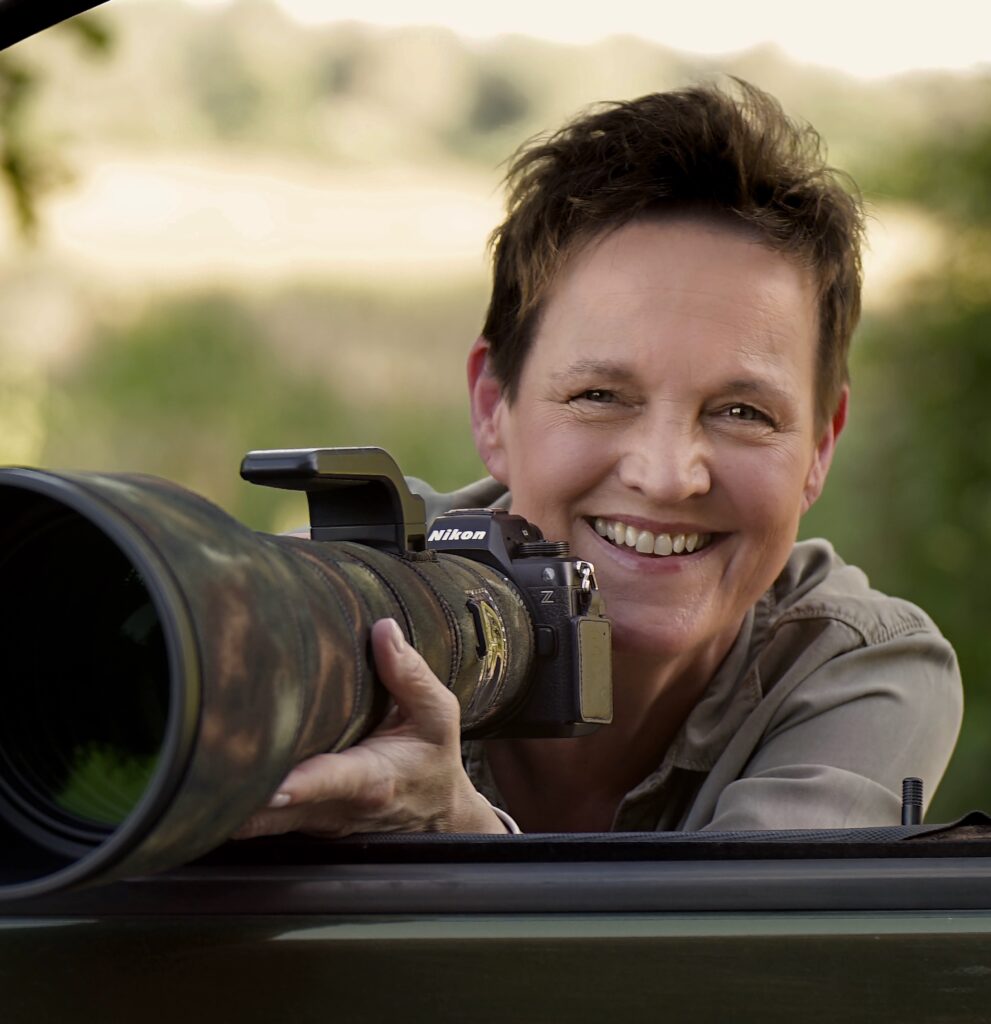
I am a wildlife photographer and photography-safari guide. Through Seen Through My Lenses, I offer women-only photography safaris in Africa, created with trusted local partners.
I lead small groups, share personal photography tuition, and help you make the most of unforgettable wildlife moments. Heike Hutmacher